
TerraForums - Carnivorous Plant Community
You are using an out of date browser. It may not display this or other websites correctly.
You should upgrade or use an alternative browser.
You should upgrade or use an alternative browser.
Nimbulan's picture thread
- Thread starter nimbulan
- Start date
-
- Tags
- adelae albomarginata aphrodite auriculata burmannii californica calycifida cistiflora cutting darlingtonia fertilizer flower flowering germinate gina gorgonias heterodoxa hookeri humidity leaves led miranda nepenthes pings pinguicula pitchers pots primuliflora ramispina rhizome roridula sarracenia seeds sphagnum sundews winter zigzagia


I guess I spoke too soon. I attempted to pollinate it, but we'll see if it takes. Roridula certainly have strange anthers.
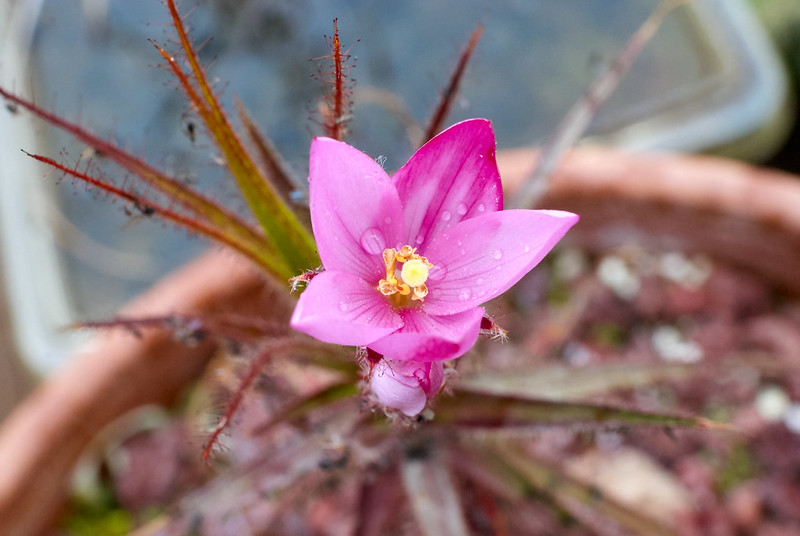 Roridula gorgonias by Nimbulan, on Flickr
Roridula gorgonias by Nimbulan, on Flickr
Very nice! I hope you get some seed from that one. Good luckI guess I spoke too soon. I attempted to pollinate it, but we'll see if it takes. Roridula certainly have strange anthers.

Time for a picture dump! I got quite a few new plants since my last update.
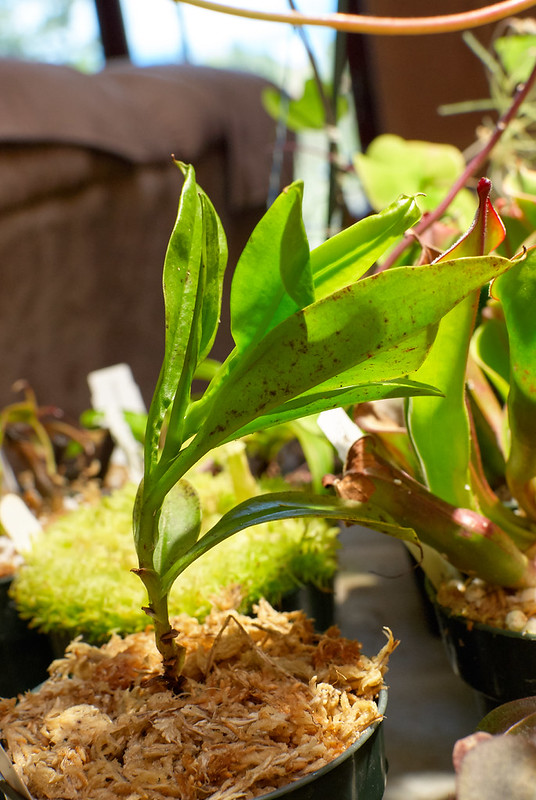 Nepenthes madagascariensis by Nimbulan, on Flickr
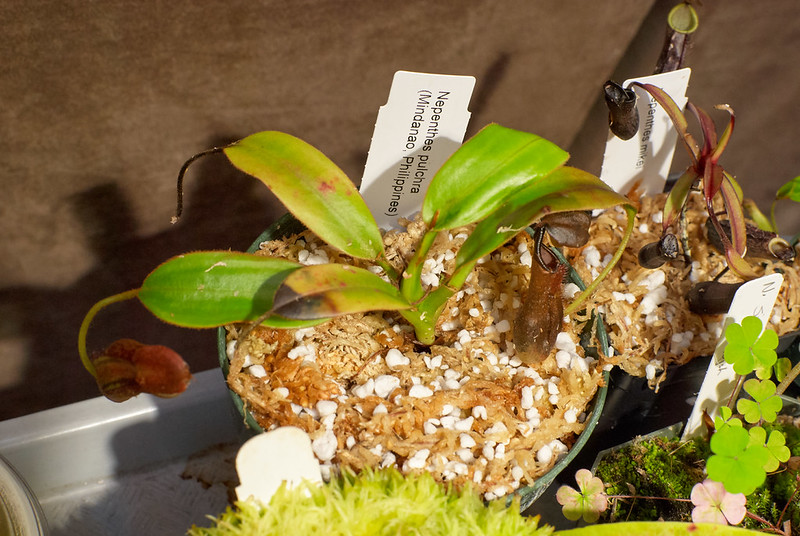 Nepenthes pulchra by Nimbulan, on Flickr
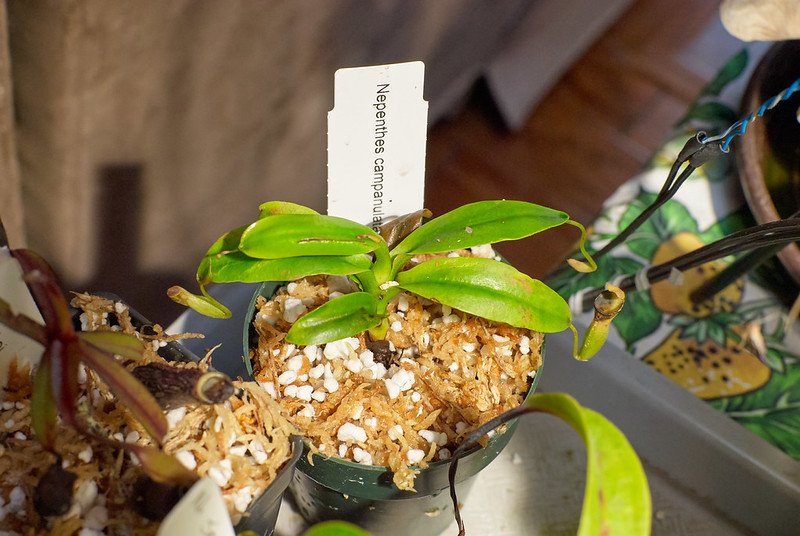 Nepenthes campanulata by Nimbulan, on Flickr
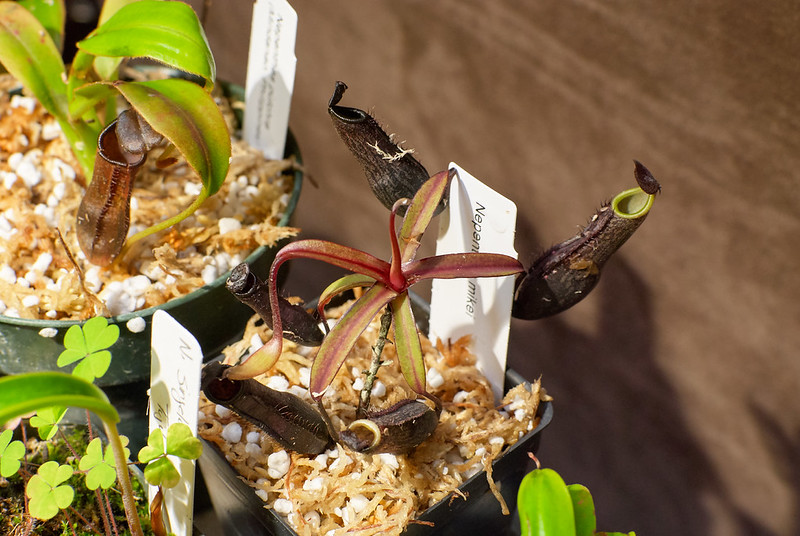 Nepenthes mikei by Nimbulan, on Flickr
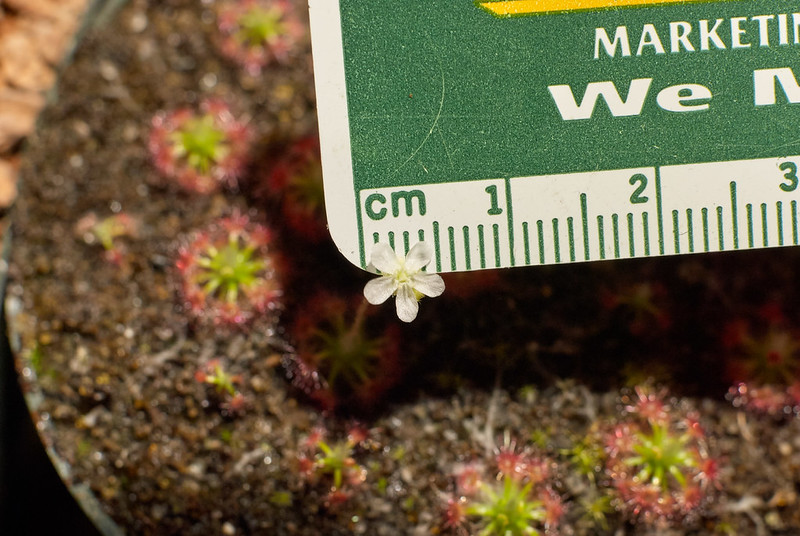 Drosera trichocaulis by Nimbulan, on Flickr
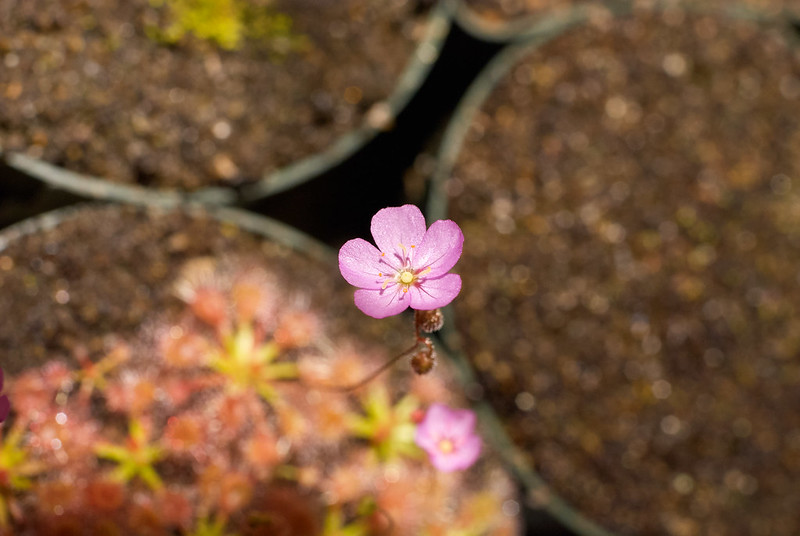 Drosera occidentalis x pulchella by Nimbulan, on Flickr
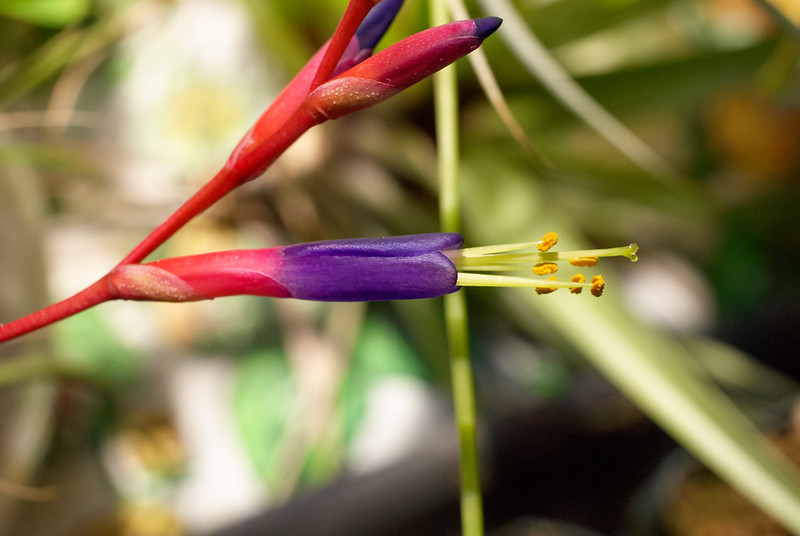 Tillandsia argentea by Nimbulan, on Flickr
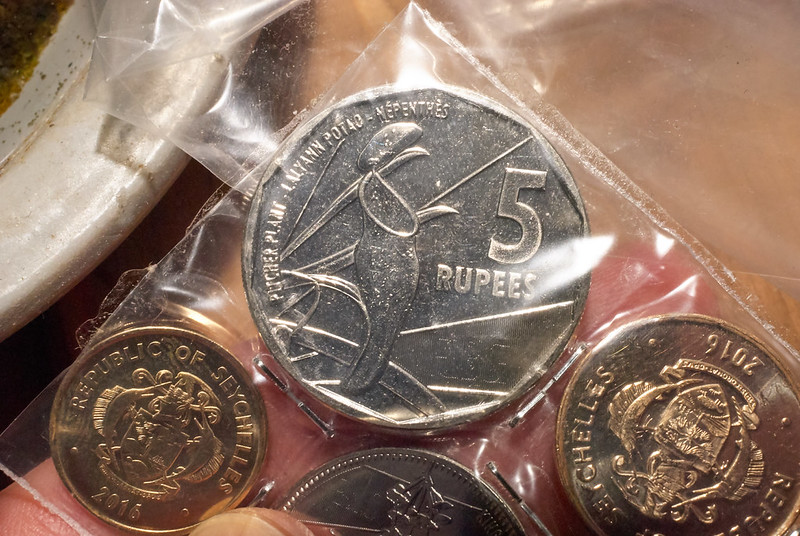 Nepenthes pervillei coin by Nimbulan, on Flickr
Some of these flowers and pitchers are open now but I haven't gotten around to taking another picture.
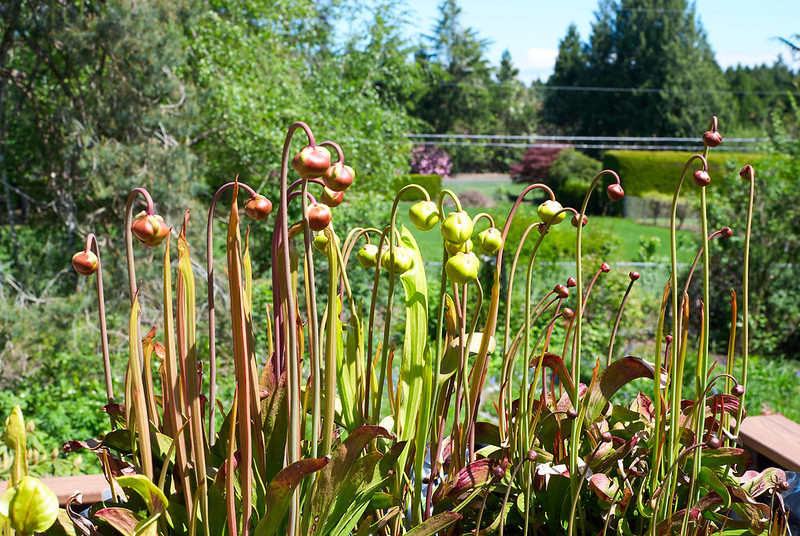 Sarracenia sp. by Nimbulan, on Flickr
Looks like I managed to self this flower
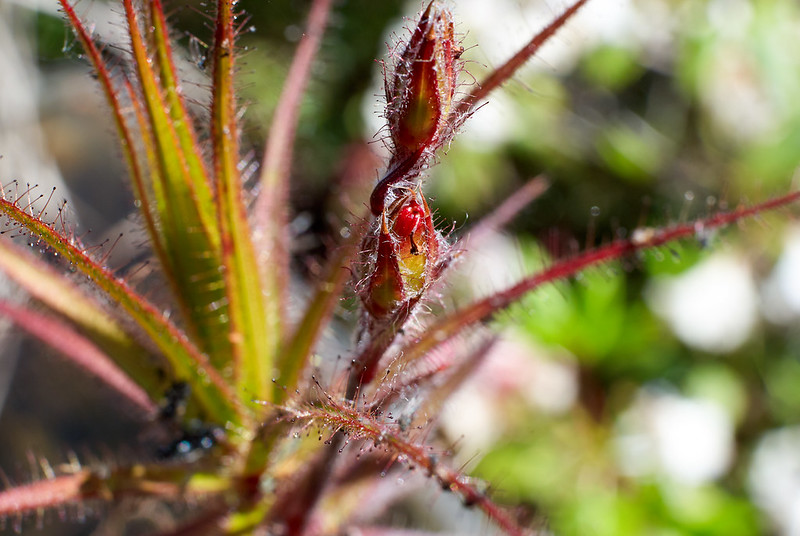 Roridula gorgonias by Nimbulan, on Flickr
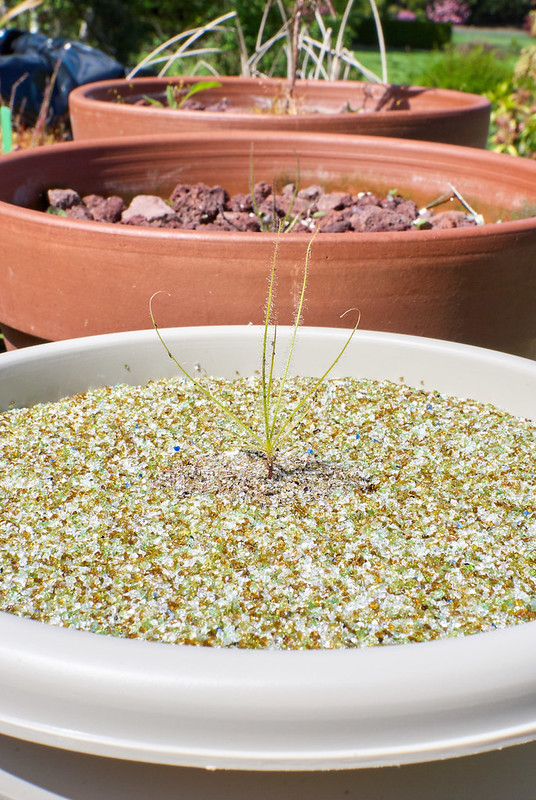 Byblis lamellata by Nimbulan, on Flickr
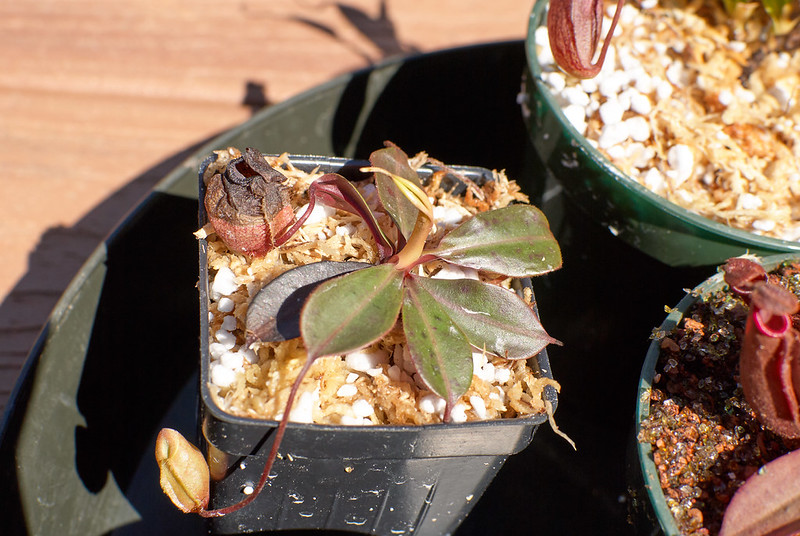 Nepenthes palawanensis by Nimbulan, on Flickr
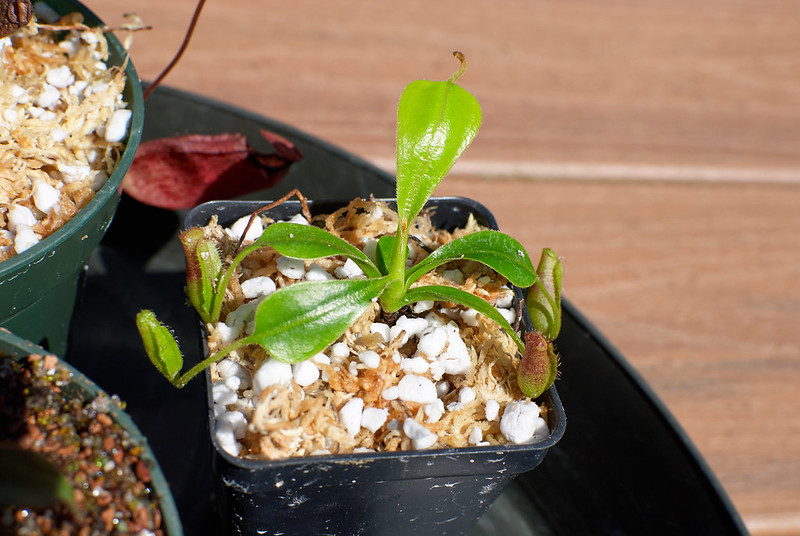 Nepenthes lowii by Nimbulan, on Flickr
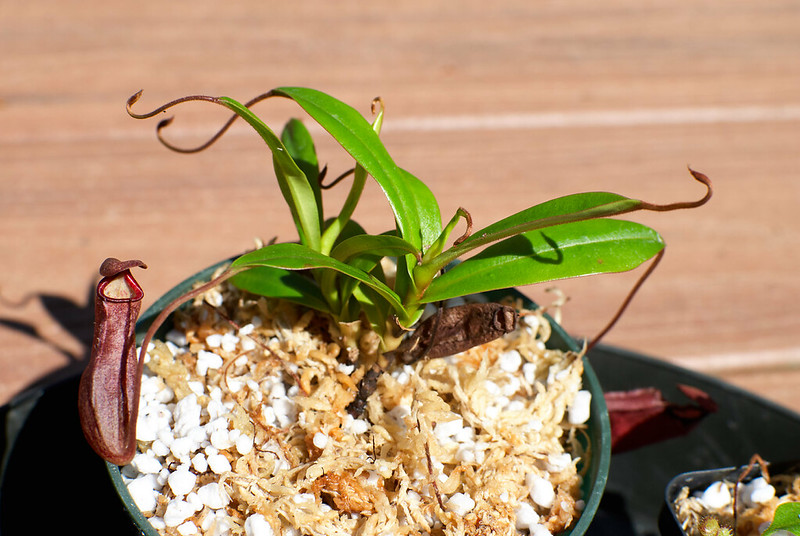 Nepenthes macfarlanei (probably x sanguinea) by Nimbulan, on Flickr
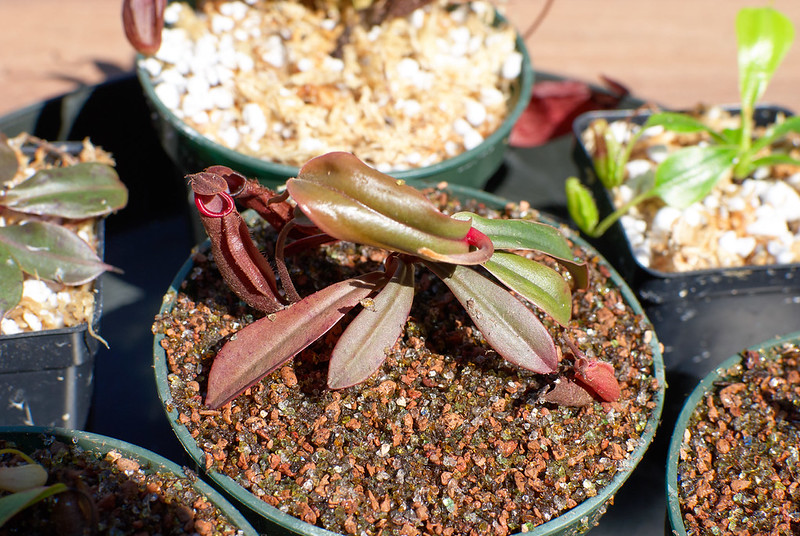 Nepenthes vieillardii by Nimbulan, on Flickr
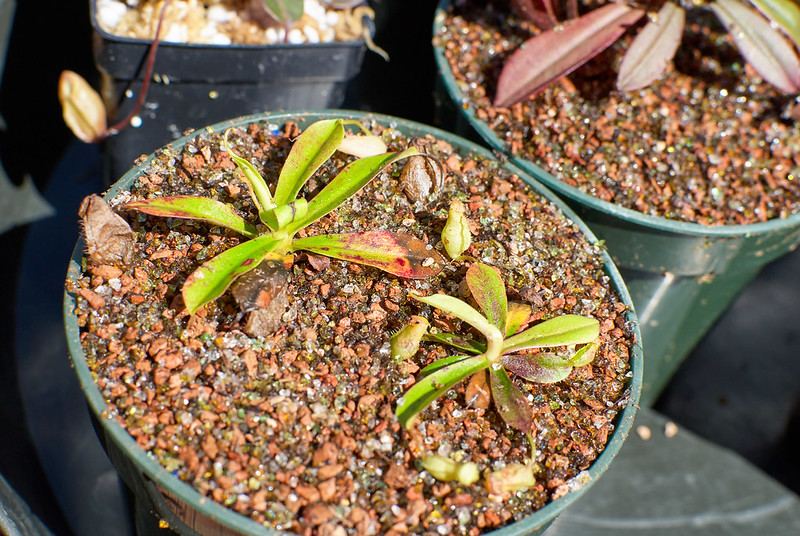 Nepenthes pervillei by Nimbulan, on Flickr
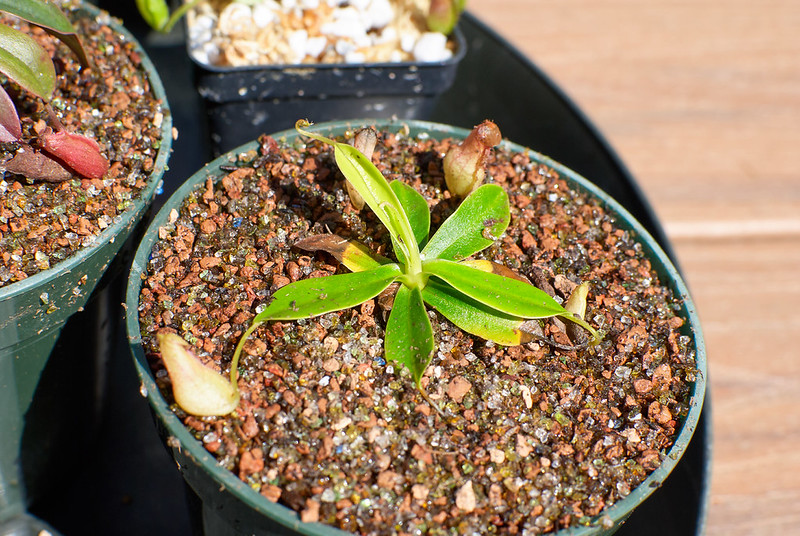 Nepenthes pervillei by Nimbulan, on Flickr
Finally got ahold of my favorite flytrap cultivar.
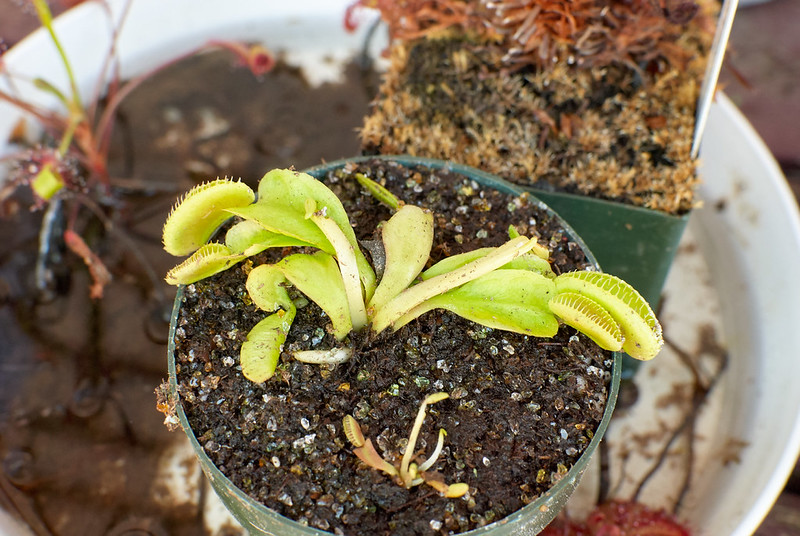 Dionaea muscipula 'Alien' by Nimbulan, on Flickr
And the progression of an R. dentata seedling over the past month. These plants are certainly slow to get started but speed up significantly once they get to the point of developing leaves. Apparently it's also quite normal for the plant to be entirely unable to shed the seed coat and struggle to grow around it for a while. It makes me wonder how a plant evolved to grow like this.
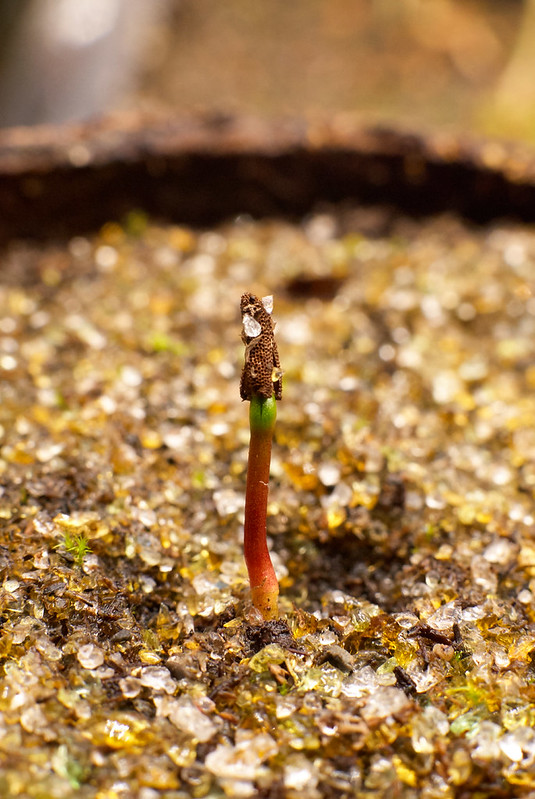 Roridula dentata by Nimbulan, on Flickr
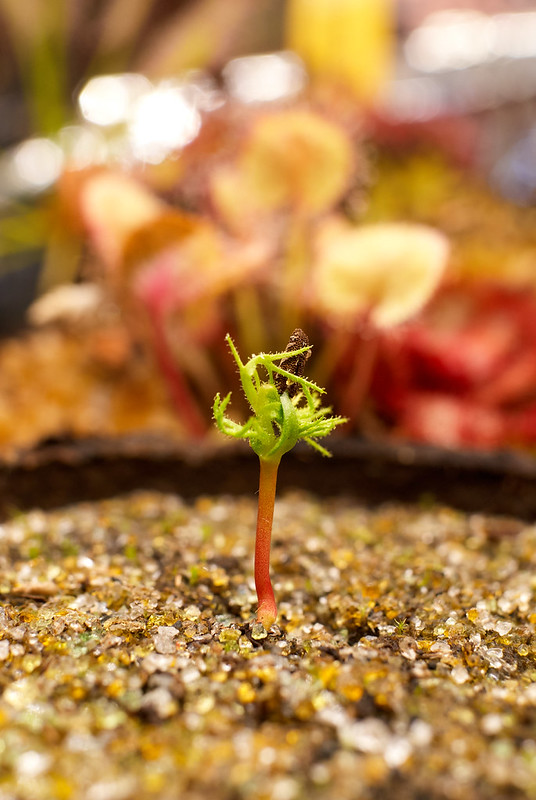 Roridula dentata by Nimbulan, on Flickr
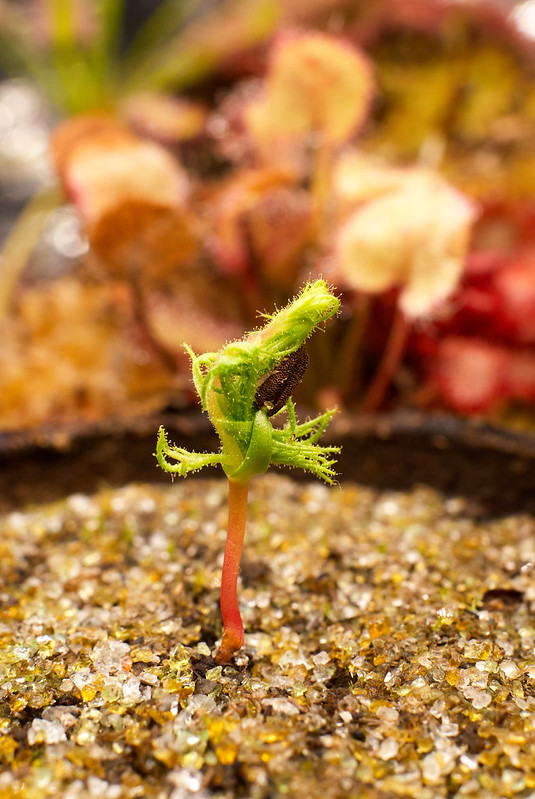 Roridula dentata by Nimbulan, on Flickr
Nepenthes madagascariensis by Nimbulan, on FlickrNepenthes pulchra by Nimbulan, on FlickrNepenthes campanulata by Nimbulan, on FlickrNepenthes mikei by Nimbulan, on FlickrDrosera trichocaulis by Nimbulan, on FlickrDrosera occidentalis x pulchella by Nimbulan, on FlickrTillandsia argentea by Nimbulan, on FlickrNepenthes pervillei coin by Nimbulan, on FlickrSome of these flowers and pitchers are open now but I haven't gotten around to taking another picture.
Sarracenia sp. by Nimbulan, on FlickrLooks like I managed to self this flower
Roridula gorgonias by Nimbulan, on FlickrByblis lamellata by Nimbulan, on FlickrNepenthes palawanensis by Nimbulan, on FlickrNepenthes lowii by Nimbulan, on FlickrNepenthes macfarlanei (probably x sanguinea) by Nimbulan, on FlickrNepenthes vieillardii by Nimbulan, on FlickrNepenthes pervillei by Nimbulan, on FlickrNepenthes pervillei by Nimbulan, on FlickrFinally got ahold of my favorite flytrap cultivar.
Dionaea muscipula 'Alien' by Nimbulan, on FlickrAnd the progression of an R. dentata seedling over the past month. These plants are certainly slow to get started but speed up significantly once they get to the point of developing leaves. Apparently it's also quite normal for the plant to be entirely unable to shed the seed coat and struggle to grow around it for a while. It makes me wonder how a plant evolved to grow like this.
Roridula dentata by Nimbulan, on FlickrRoridula dentata by Nimbulan, on FlickrRoridula dentata by Nimbulan, on Flickr
I've been wanting one for a long time too, but definitely not willing to pay the $60 they cost in this country (and probably for a smaller plant too.) I definitely need to be careful with this one since I lost all but one of my flytraps over the winter. What I really need are some taller pots so the rhizomes aren't so close to the water.

mikefallen13
Mr. veitchii
Great pictures! Pervillei is one of the few lowland nepenthes I'd like to try some day, good luck with them!
Just curious, what do you have them potted in?
Just curious, what do you have them potted in?
Last edited:
Honestly pervillei is my favorite Nepenthes species. I was lucky enough to find seed-grown plants for sale for a very reasonable price so I bought 2 (and they sent me 3!) I actually need to split that third plant into its own pot since I had mixed up the soil for 2 plants and was too tired to do more once I discovered there were actually 3 plants in the bag. The media is 1 part peat, 2 parts sand, and 2 parts Turface. I spoke with someone who has been successful with a similar mix (though he used a bit less peat) so I thought I'd try it this way, rather than dropping $40+ on a bag of Akadama like a lot of people use.
At least one plant is thriving from my spring-sown seed experiment (this species is winter-growing.)
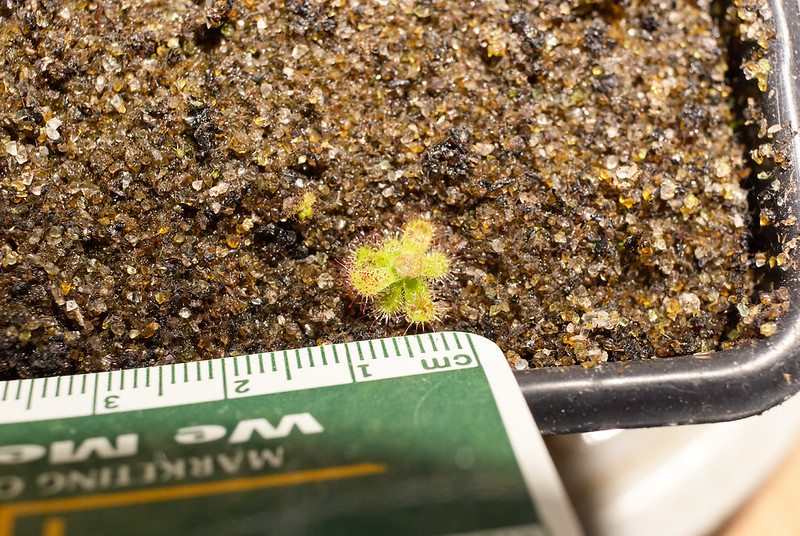 Drosera hilaris by Nimbulan, on Flickr
Hopefully this little guy will be fertile!
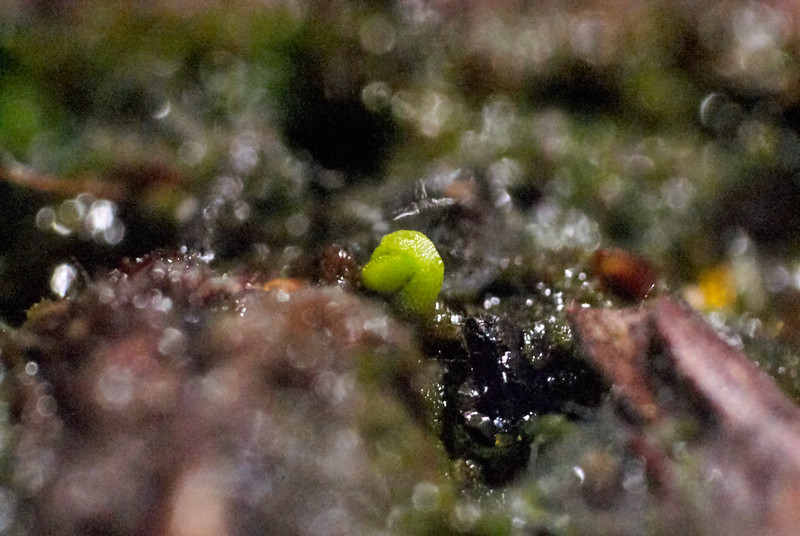 Drosera adelae by Nimbulan, on Flickr
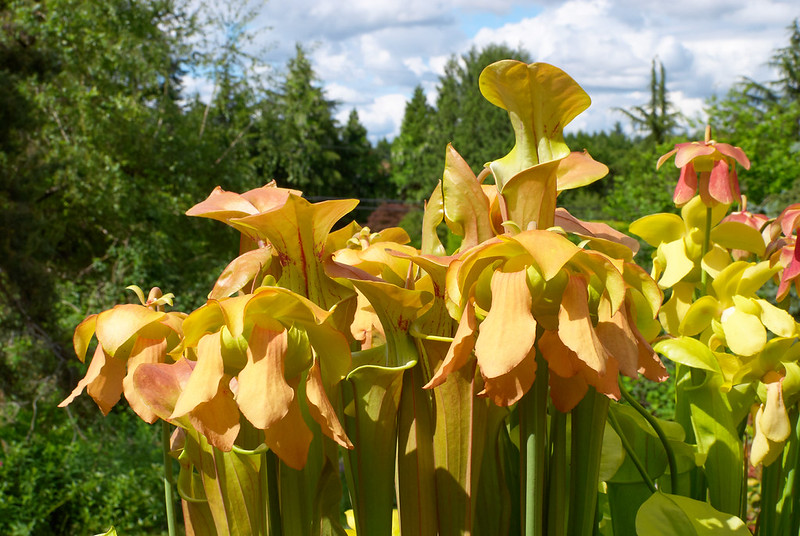 Sarracenia oreophila x flava var. rubricorpora by Nimbulan, on Flickr
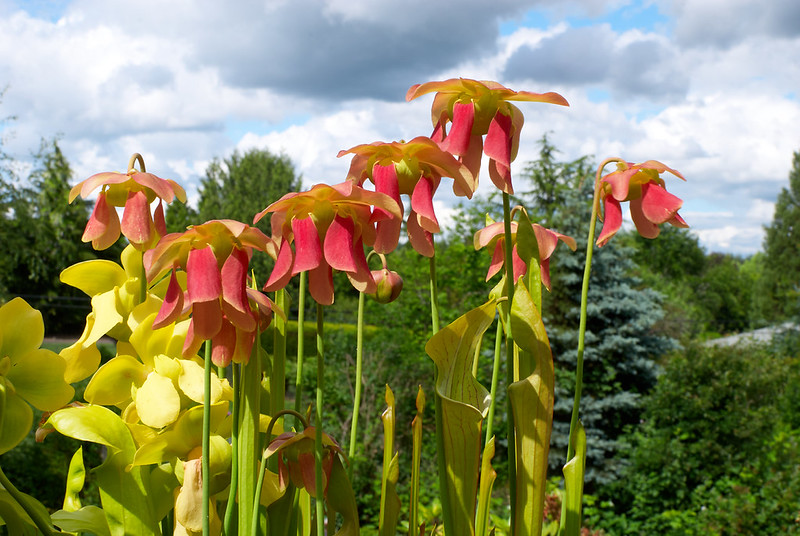 Sarracenia "Appalachian Spring" by Nimbulan, on Flickr
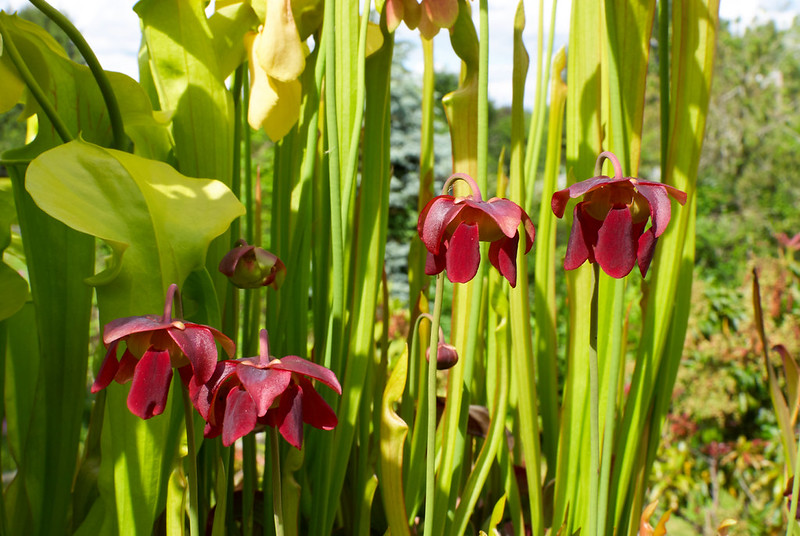 Sarracenia jonesii by Nimbulan, on Flickr
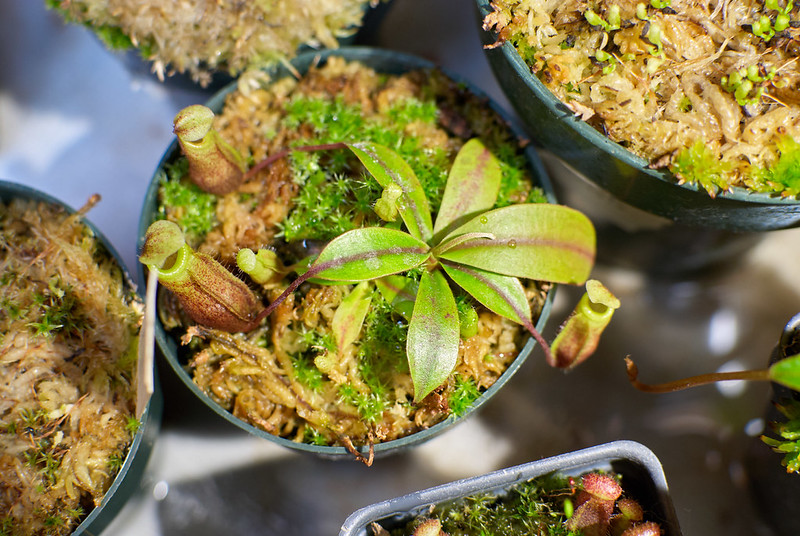 Nepenthes leonardoi by Nimbulan, on Flickr
Revived moss trying to swallow up my Neps...
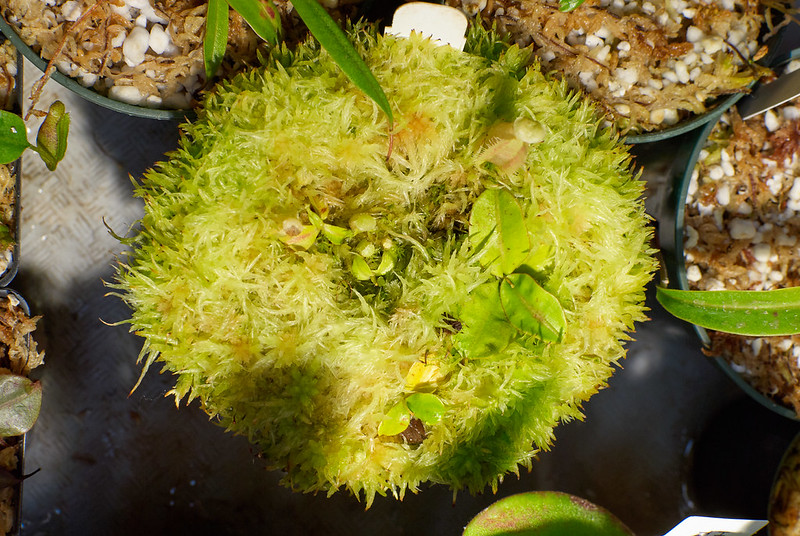 Nepenthes sumatrana by Nimbulan, on Flickr
I still don't know what this plant actually is.
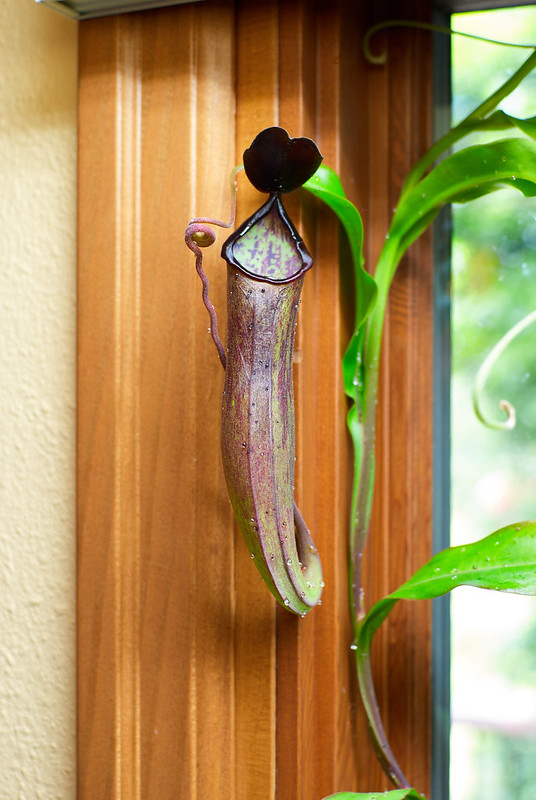 Nepenthes "Black Knight" ? by Nimbulan, on Flickr
Roridula gorgonias dividing like crazy, 5 growth points now!
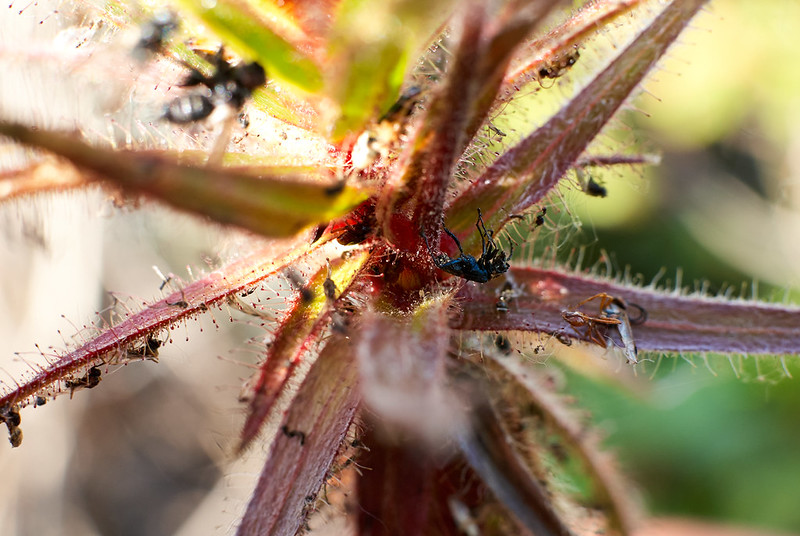 Roridula gorgonias by Nimbulan, on Flickr
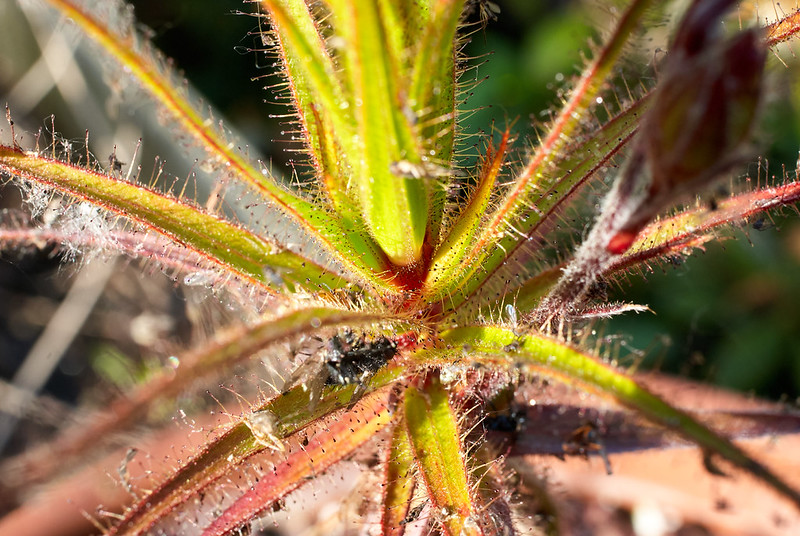 Roridula gorgonias by Nimbulan, on Flickr
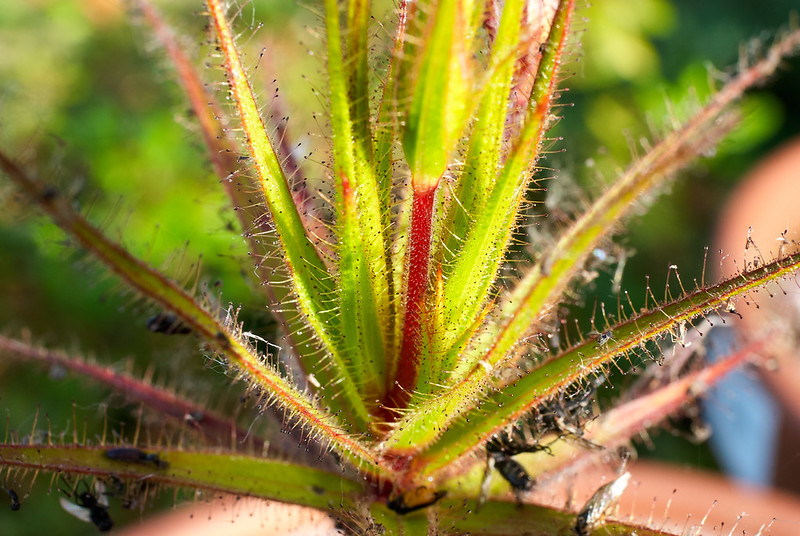 Roridula gorgonias by Nimbulan, on Flickr
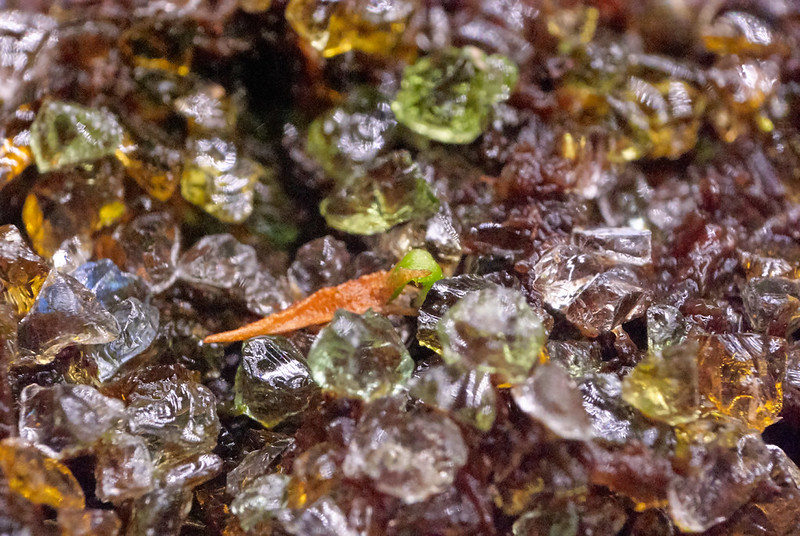 Nepenthes vieillardii by Nimbulan, on Flickr
Bad hair day
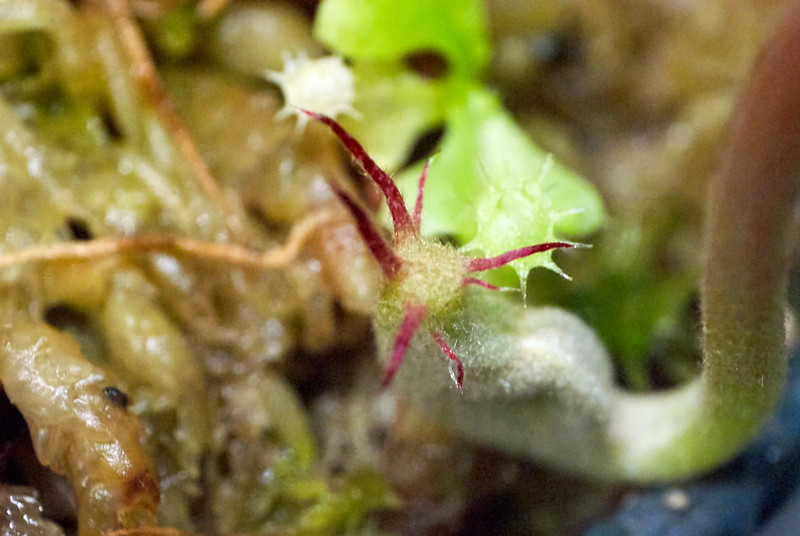 Nepenthes mirabilis var. globosa by Nimbulan, on Flickr
Drosera hilaris by Nimbulan, on FlickrHopefully this little guy will be fertile!
Drosera adelae by Nimbulan, on FlickrSarracenia oreophila x flava var. rubricorpora by Nimbulan, on FlickrSarracenia "Appalachian Spring" by Nimbulan, on FlickrSarracenia jonesii by Nimbulan, on FlickrNepenthes leonardoi by Nimbulan, on FlickrRevived moss trying to swallow up my Neps...
Nepenthes sumatrana by Nimbulan, on FlickrI still don't know what this plant actually is.
Nepenthes "Black Knight" ? by Nimbulan, on FlickrRoridula gorgonias dividing like crazy, 5 growth points now!
Roridula gorgonias by Nimbulan, on FlickrRoridula gorgonias by Nimbulan, on FlickrRoridula gorgonias by Nimbulan, on FlickrNepenthes vieillardii by Nimbulan, on FlickrBad hair day
Nepenthes mirabilis var. globosa by Nimbulan, on Flickr
Last edited:

Well, the "Black Knight" certainly has ramispina in it, but can't tell if there's ventricosa influence or not. Good luck with the sumatrana too; the leaves get huge long before the pitchers do for me, but pitchers are worth the space needed.
If it helps with an ID, this pitcher is more typical of what the plant has been producing. The plant is also extremely sticky - every surface is covered in drops of nectar.
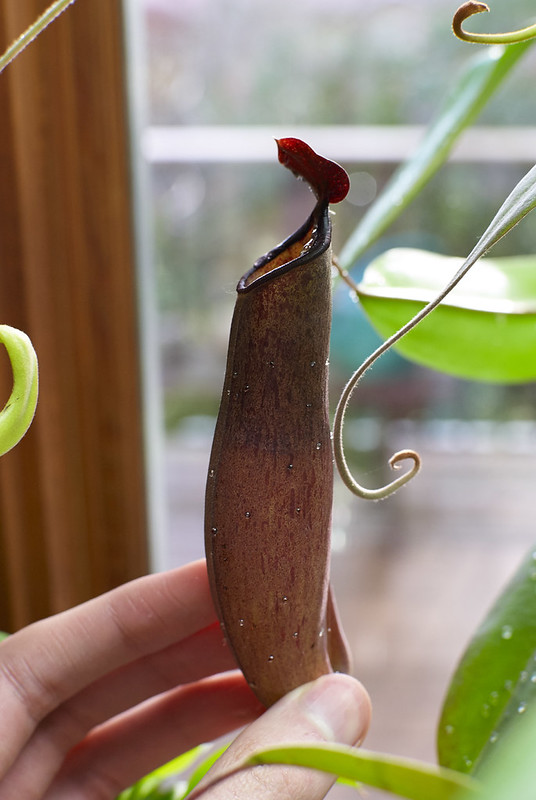 Nepenthes "Black Knight" by Nimbulan, on Flickr
Out of curiosity what conditions do you provide for your sumatrana? I've been told the natural habitat is unusually cool for the low elevation they grow at.
Don't think that does help; most of what I see is still the ramispina influence, even less of a clue with that pitcher than the other possibly.
The two sumatrana forms I have (the one that I got as sumatrana and the other that was labeled beccariana, but pretty sure it's another sumatrana) are both on the upper shelves of the greenhouse, where temperatures probably don't drop below 70 F in winter and definitely hit at least 90 F during the day in summer. They grow faster during the hot months too; your claim is the first time I've ever heard anything other than the general assumption that they're lowland to ultra-lowland. They like it slightly shadier than most thanks to the forest habitat (much like longifolia, though both species do just fine under strong light for me), but otherwise standard humid lowland.
The two sumatrana forms I have (the one that I got as sumatrana and the other that was labeled beccariana, but pretty sure it's another sumatrana) are both on the upper shelves of the greenhouse, where temperatures probably don't drop below 70 F in winter and definitely hit at least 90 F during the day in summer. They grow faster during the hot months too; your claim is the first time I've ever heard anything other than the general assumption that they're lowland to ultra-lowland. They like it slightly shadier than most thanks to the forest habitat (much like longifolia, though both species do just fine under strong light for me), but otherwise standard humid lowland.
What is it about the plant that makes you think of N. ramispina? I have one growing right next to it and am not seeing the resemblance myself.
I heard about the climate from someone who visited there - I believe he mentioned especially that the nights were unusually cool. I've heard that N. sumatrana often grows in direct sunlight myself. My plants certainly seem to be handling growing in one of the brightest spots in my grow space just fine. On the other hand while they grew quite fast last year, growth definitely slowed down a lot over the winter since I've been growing them at room temperature. They certainly handle the cooler temperatures better than mirabilis var. globosa though. I think I'll try moving them to my high light lowland shelf now that I have one set up and see how they do. I need them to grow faster so the moss doesn't completely smother them anyway!
I heard about the climate from someone who visited there - I believe he mentioned especially that the nights were unusually cool. I've heard that N. sumatrana often grows in direct sunlight myself. My plants certainly seem to be handling growing in one of the brightest spots in my grow space just fine. On the other hand while they grew quite fast last year, growth definitely slowed down a lot over the winter since I've been growing them at room temperature. They certainly handle the cooler temperatures better than mirabilis var. globosa though. I think I'll try moving them to my high light lowland shelf now that I have one set up and see how they do. I need them to grow faster so the moss doesn't completely smother them anyway!
Every photo I've seen of ramispina are dark plants with elongate pitchers, coloration being almost like a matte reddish to purple/black, and uppers are far lighter with anything from stripes of dark color on green background to a washed out or speckled look, lighter interior compared to the outside (sometimes straight white), small but distinct hip on the pitcher, and the ribs that replace the wings in uppers are nearly always strongly present even in hybrids, giving a nearly rectangular cross-section to the lower portion of the pitchers. Your plant presents all such characters to some extent.
 Nepenthes mirabilis var. globosa by Nimbulan, on Flickr
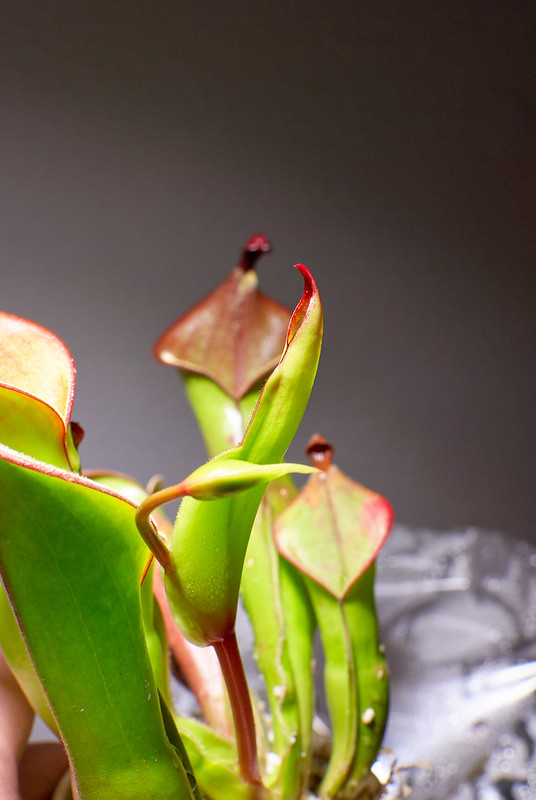 Heliamphora heterodoxa by Nimbulan, on Flickr
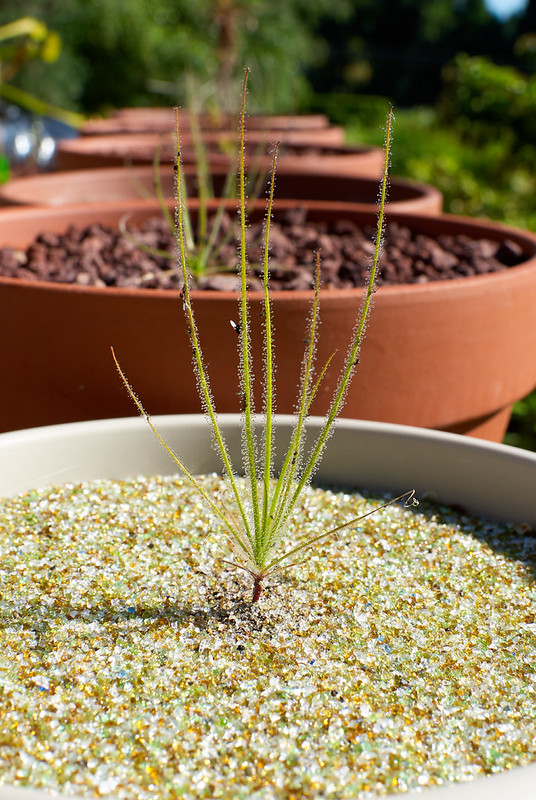 Byblis lamellata by Nimbulan, on Flickr
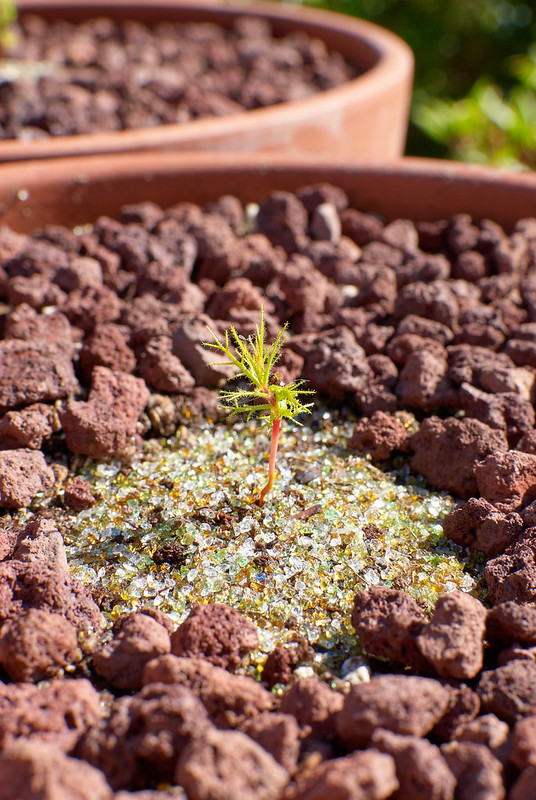 Roridula dentata by Nimbulan, on Flickr
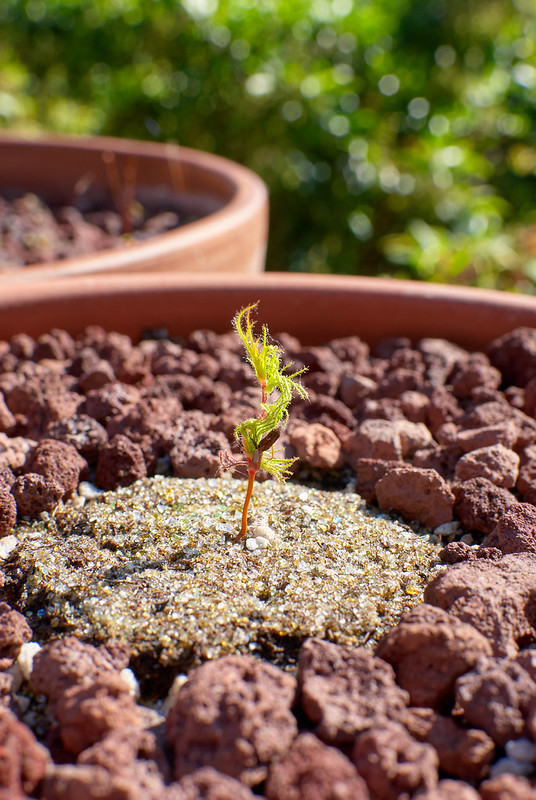 Roridula dentata by Nimbulan, on Flickr
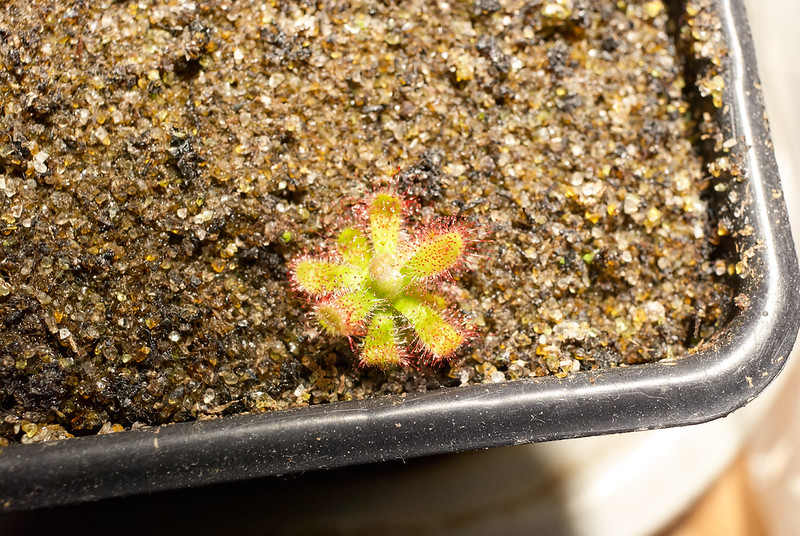 Drosera hilaris by Nimbulan, on Flickr
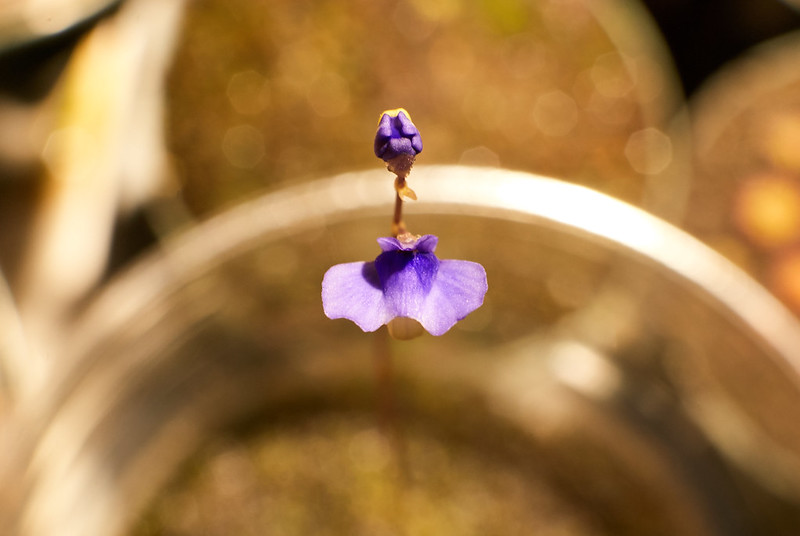 Utricularia biloba by Nimbulan, on Flickr
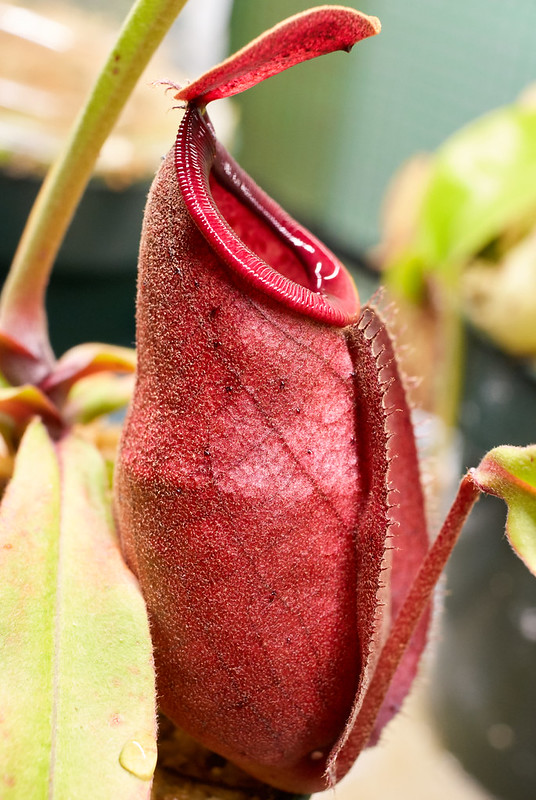 Nepenthes mirabilis var. globosa by Nimbulan, on Flickr
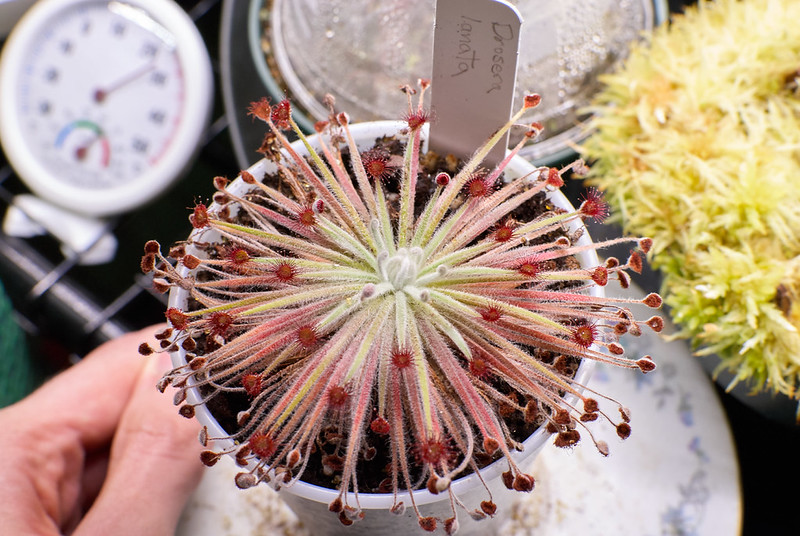 Drosera lanata by Nimbulan, on Flickr
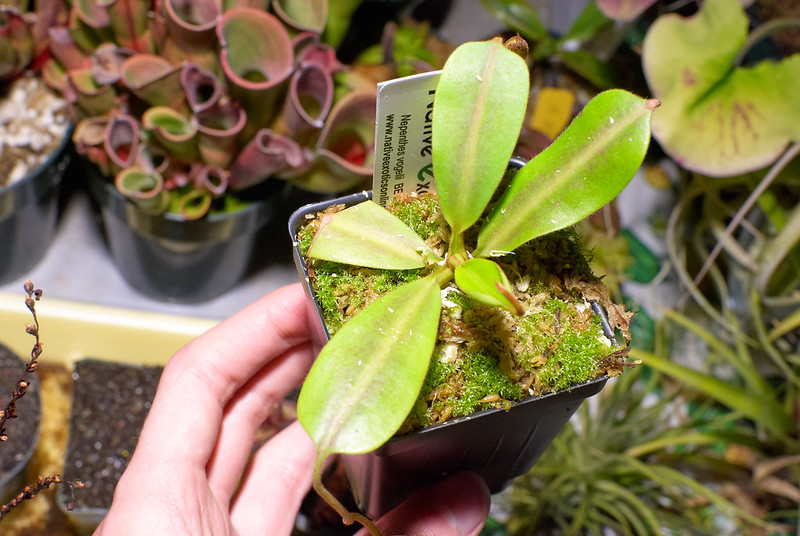 Nepenthes vogelii by Nimbulan, on Flickr
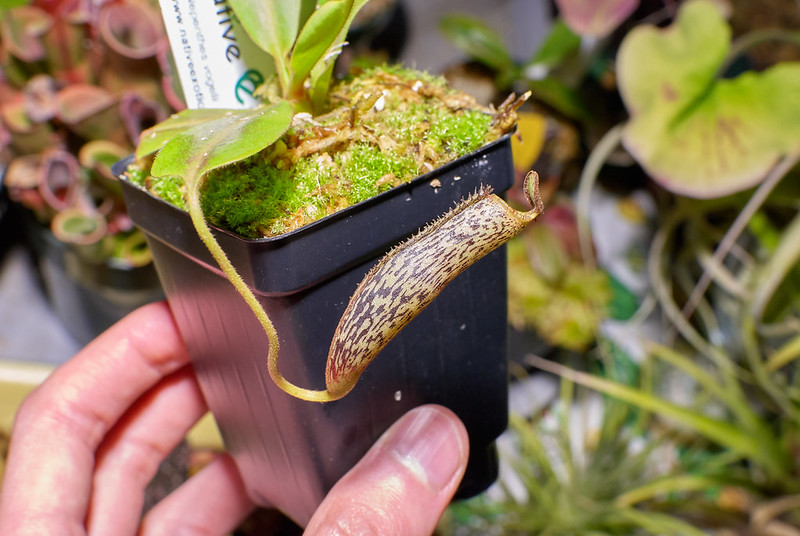 Nepenthes vogelii by Nimbulan, on Flickr
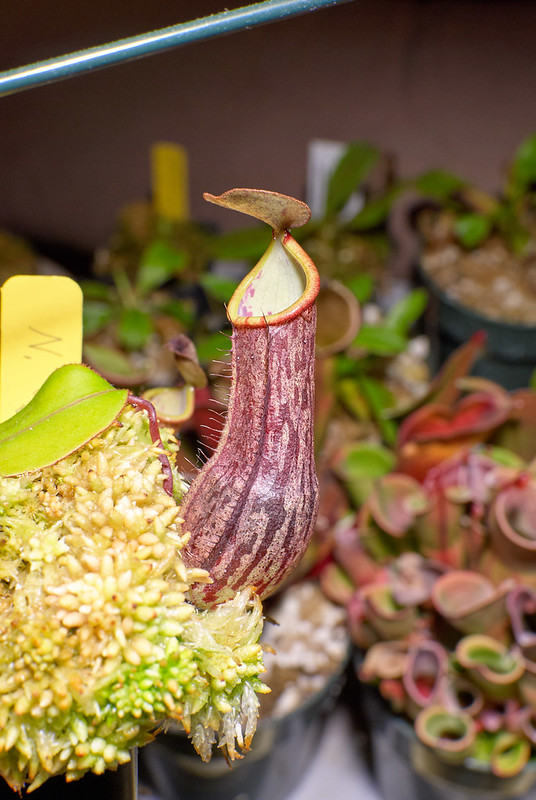 Nepenthes adnata by Nimbulan, on Flickr
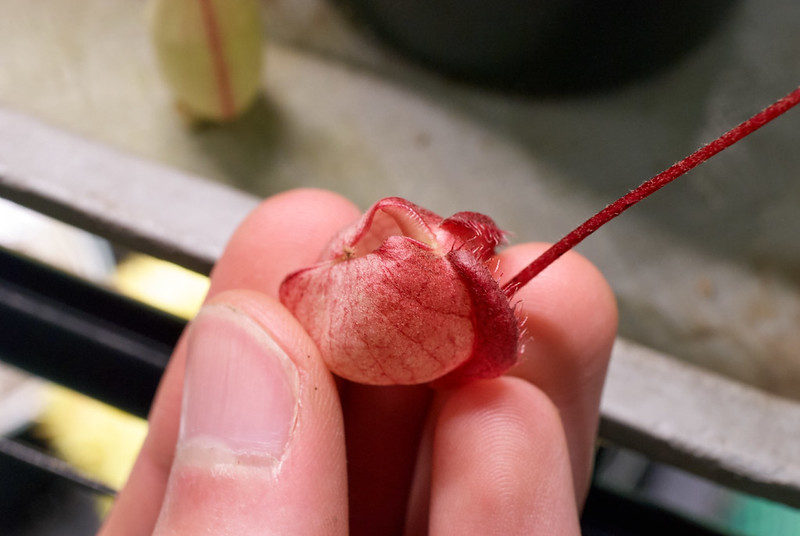 Nepenthes mirabilis var. globosa by Nimbulan, on Flickr
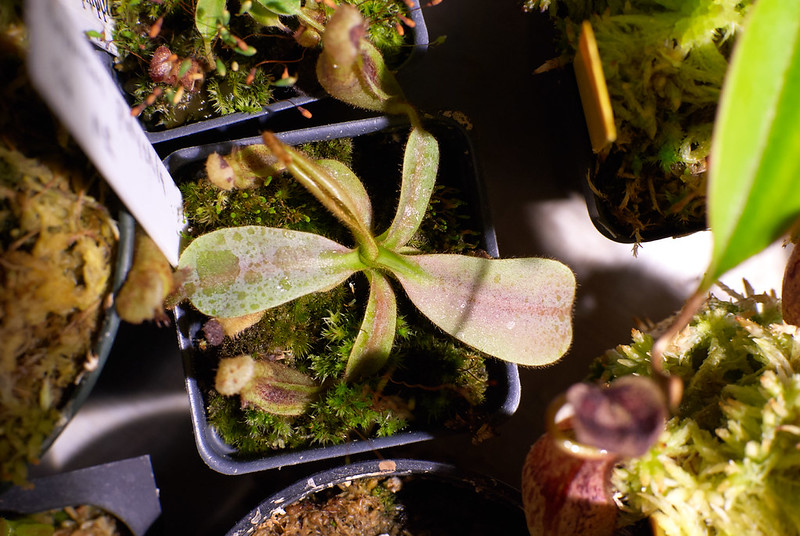 Nepenthes platychila by Nimbulan, on Flickr
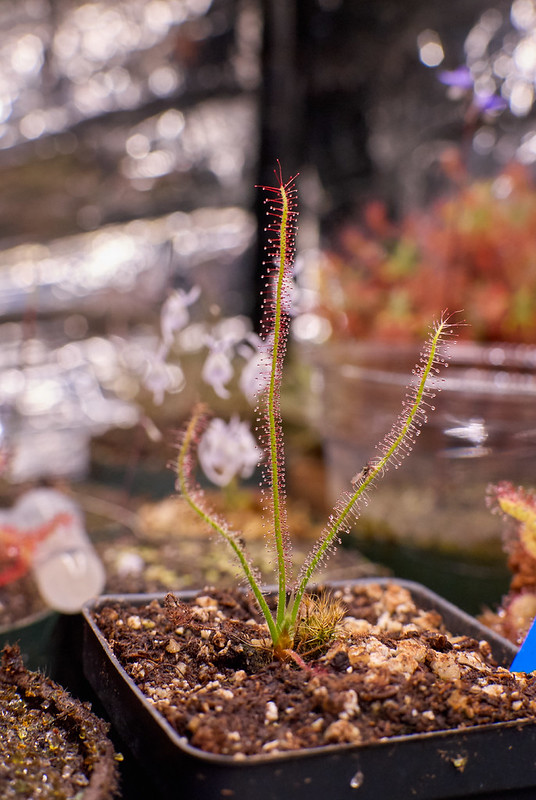 Drosera spiralis by Nimbulan, on Flickr
This leaf cutting took 7 months to strike...
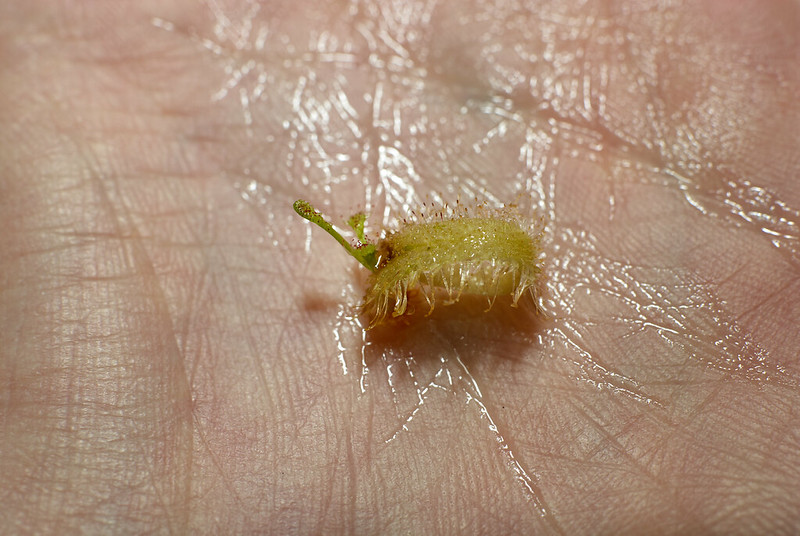 Drosera capensis 'Albino' x aliciae by Nimbulan, on Flickr
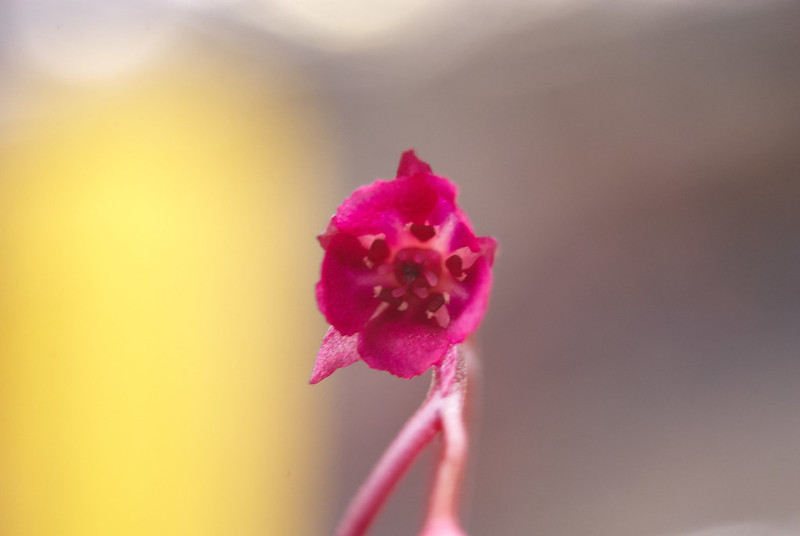 Drosera prolifera by Nimbulan, on Flickr
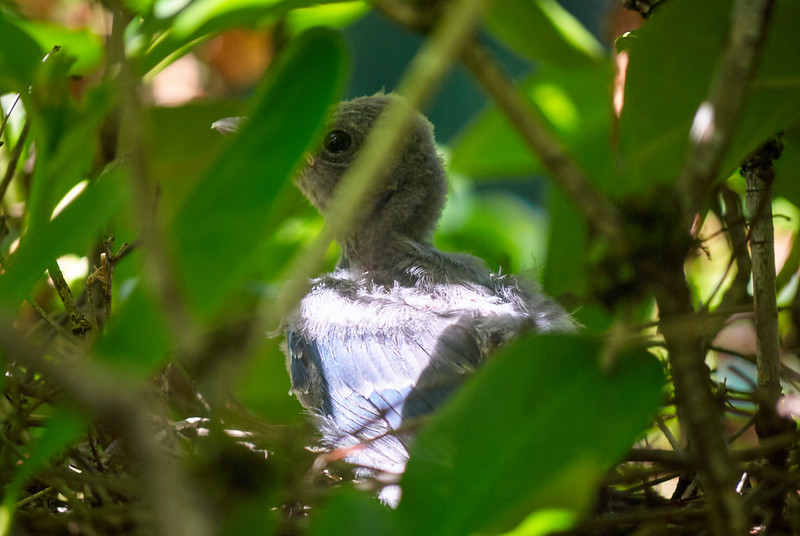 Western scrub jay chick by Nimbulan, on Flickr
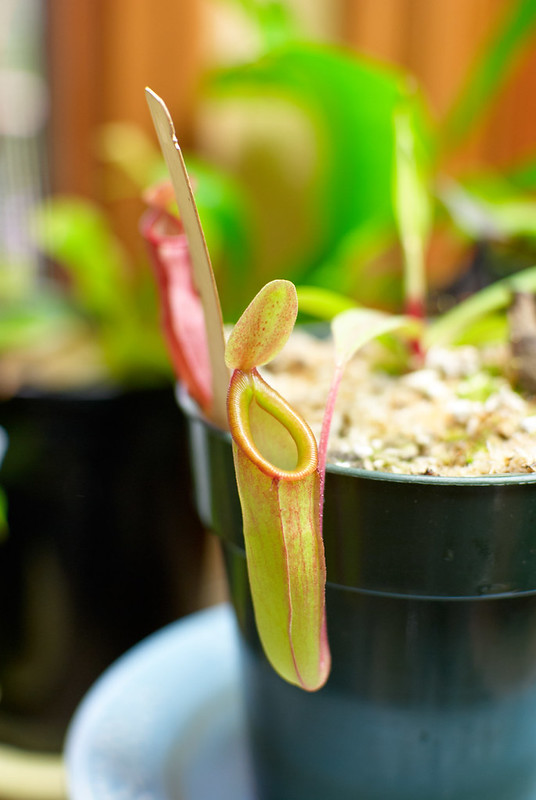 Nepenthes "Triffid" by Nimbulan, on Flickr
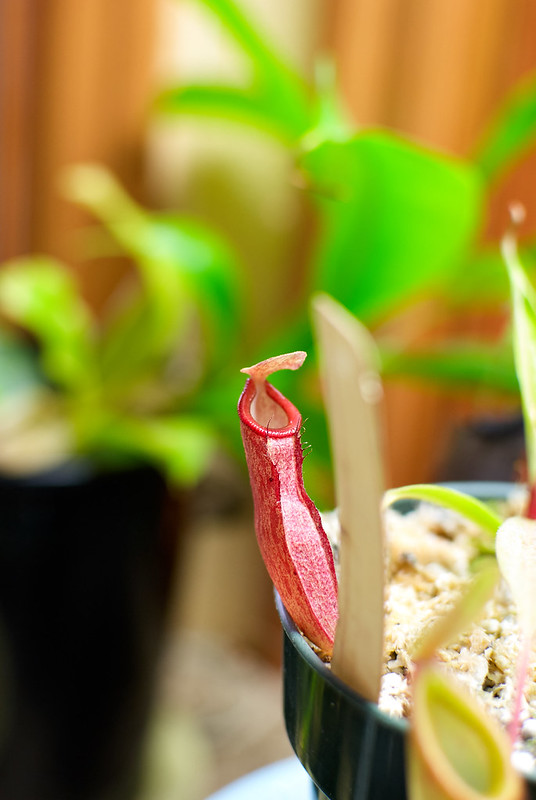 Nepenthes "Triffid" by Nimbulan, on Flickr
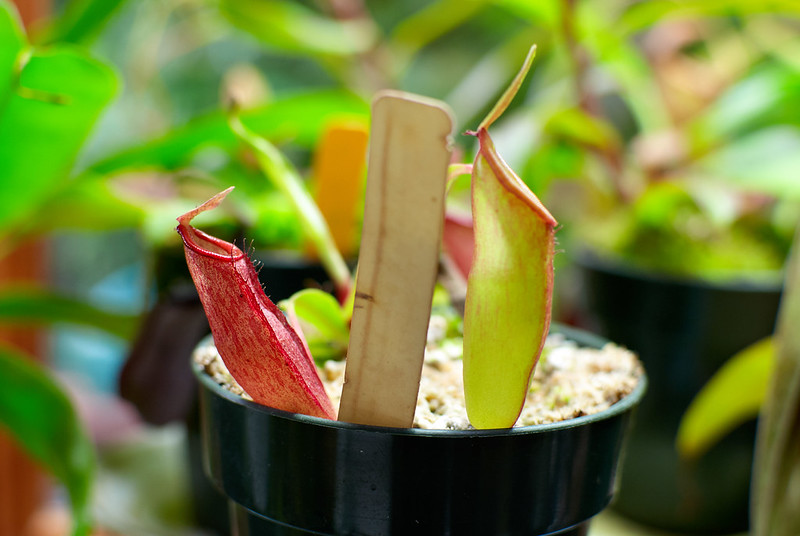 Nepenthes "Triffid" by Nimbulan, on Flickr
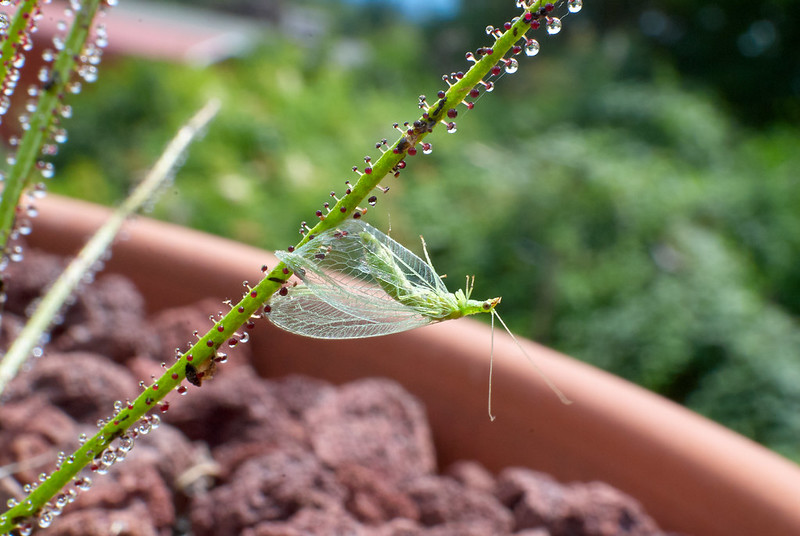 Drosophyllum lusitanicum by Nimbulan, on Flickr
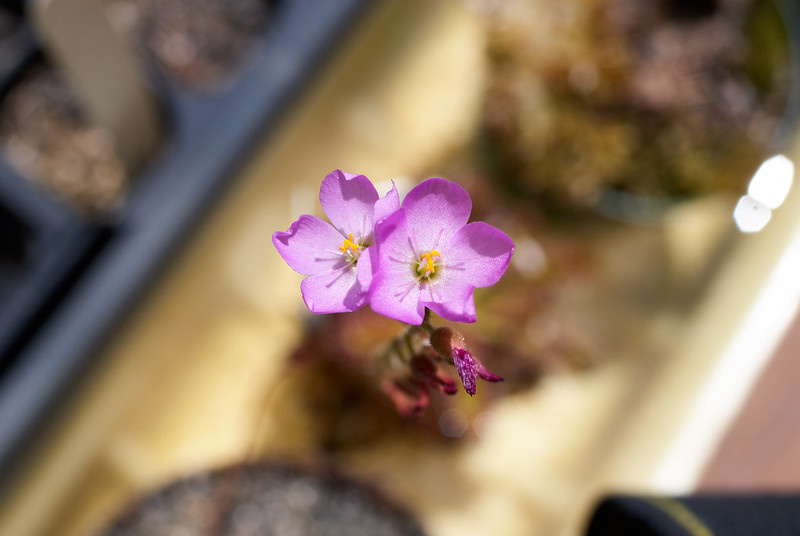 Drosera capensis 'Albino' x aliciae by Nimbulan, on Flickr
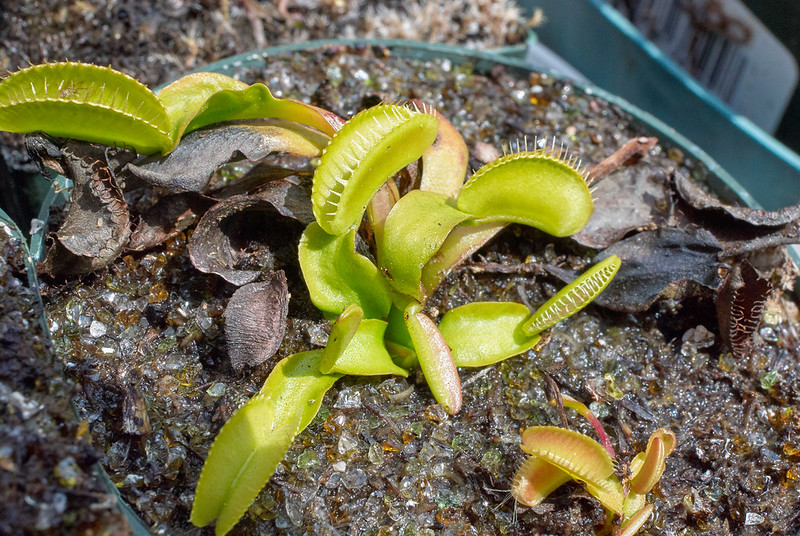 Dionaea muscipula 'Alien' by Nimbulan, on Flickr
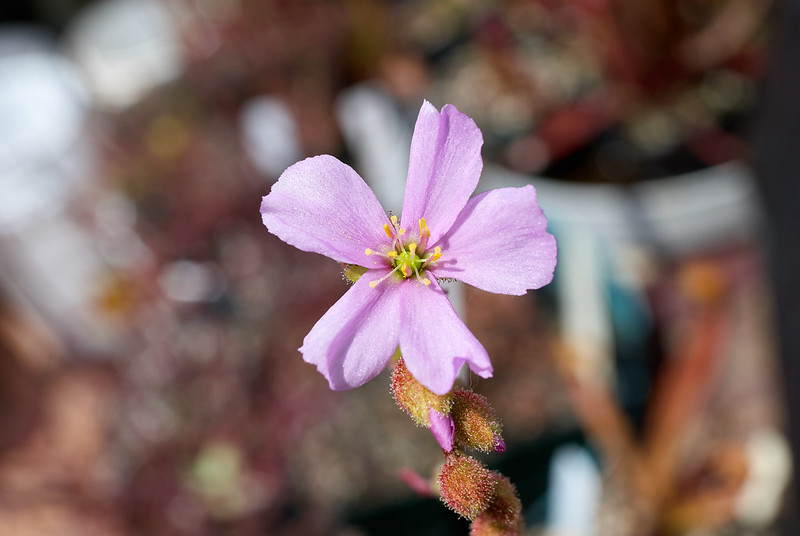 Drosera filiformis by Nimbulan, on Flickr
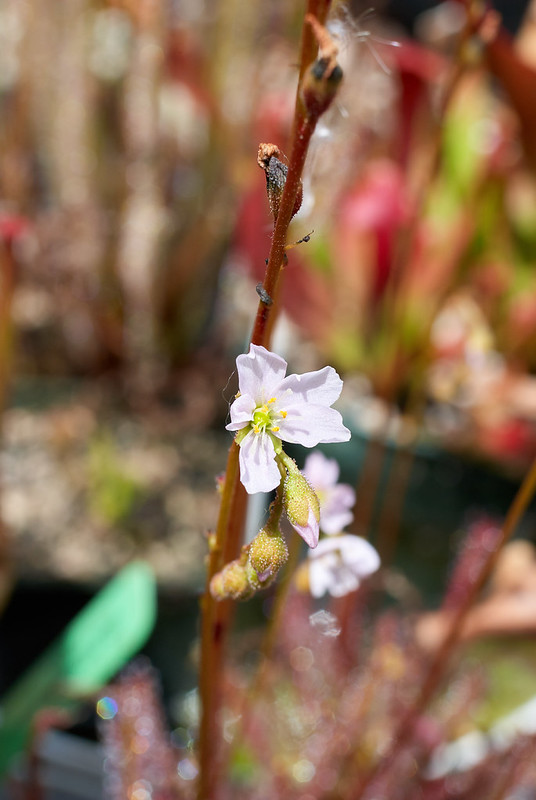 Drosera x hybrida "Butterfly Valley" by Nimbulan, on Flickr
And last but not least...a picture I took of the sun
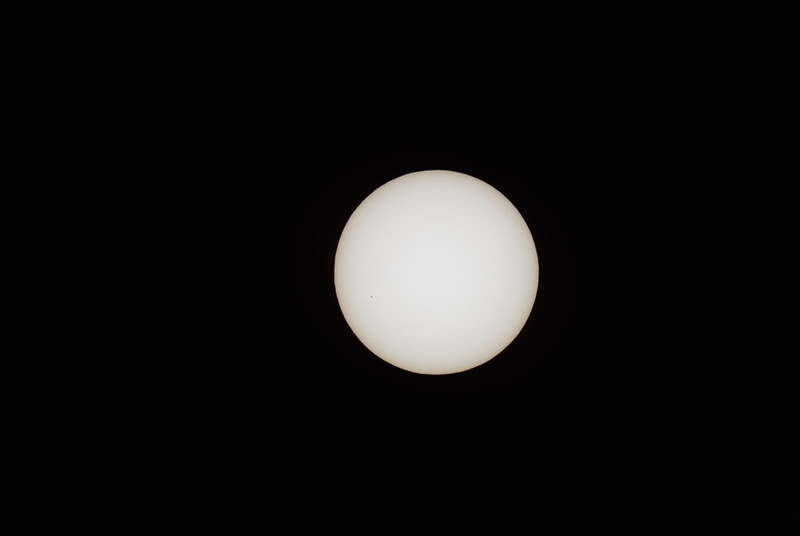 The sun by Nimbulan, on Flickr