

I decided to take a more detailed look at Cephalotus morphology and document it the best I could with photos. This is not for the weak of heart, as one Ceph was harmed during the making of presentation.
***Note photobucket seems to be having a hard time with either my photos or the site itself. Be patient and try refreshing if photos do not show up.
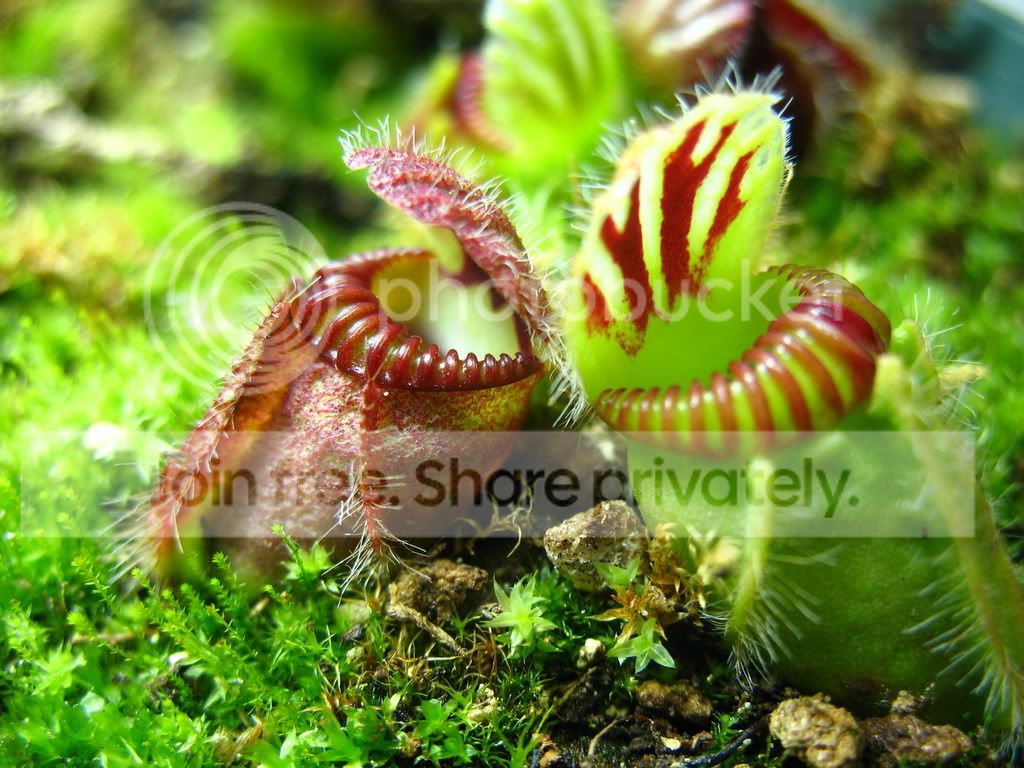
Ceph typical Adult Trap
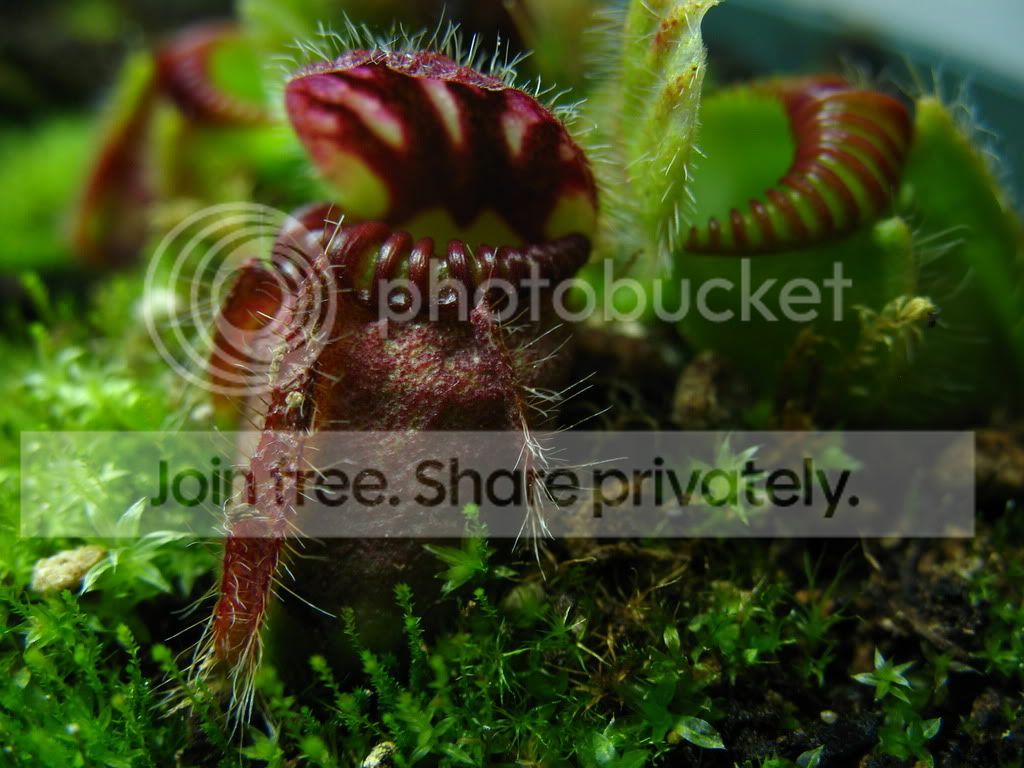
Notice how the translucent surfaces extend much farther down the lid in this younger trap.
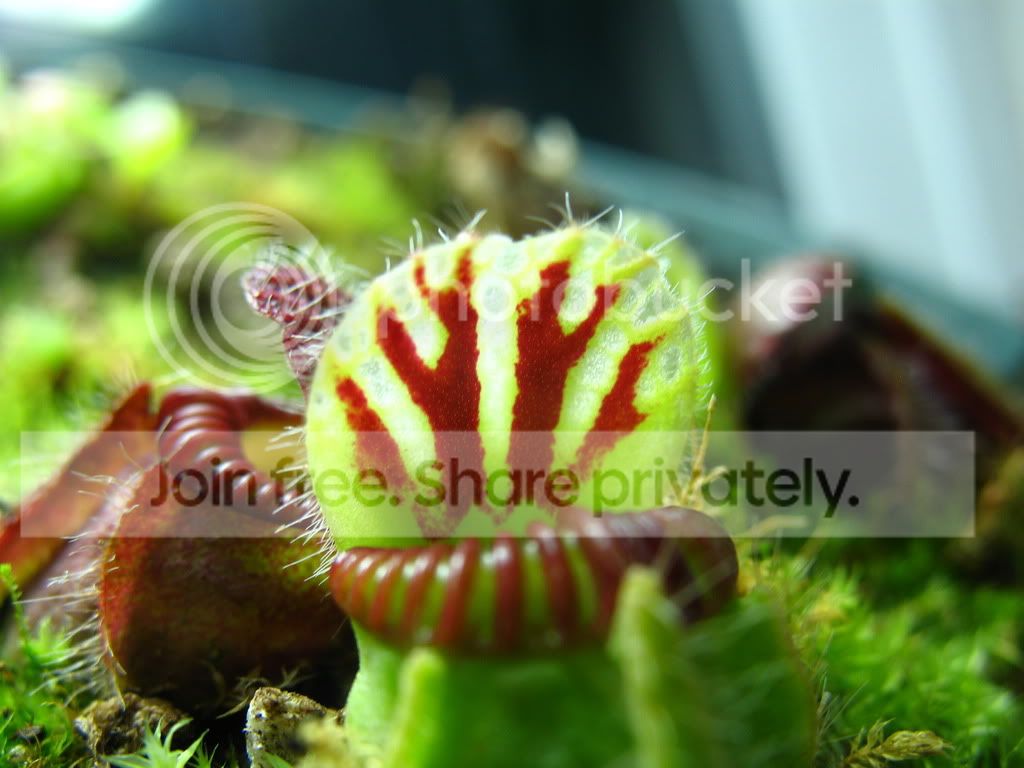
Ceph lid showing the translucent surfaces from the backside.
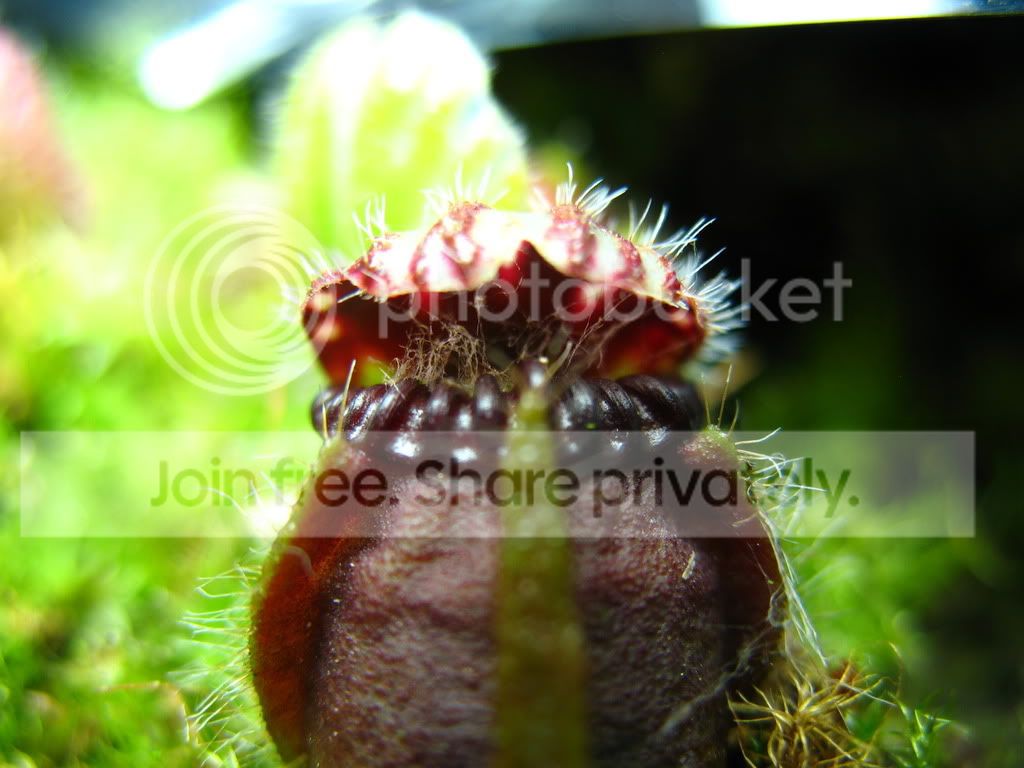
Ceph has invited over guests over for dessert. The filamentous strands emerging from the mouth are hyphae of an unknown fungi likely breaking down the chitin of insect bodies into a usable carbohydrate.
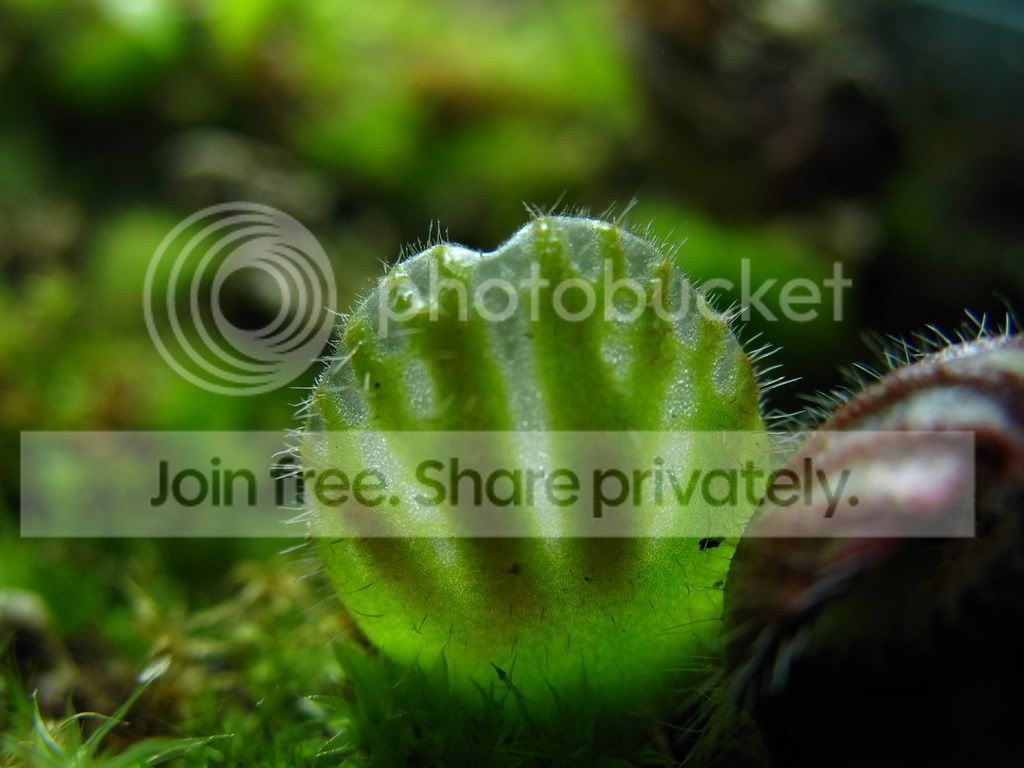
Here is a silhouette of a juvenile Ceph trap

From the same angle with light. Here you can also see the beginnings of the ribs that form adult peristomes.
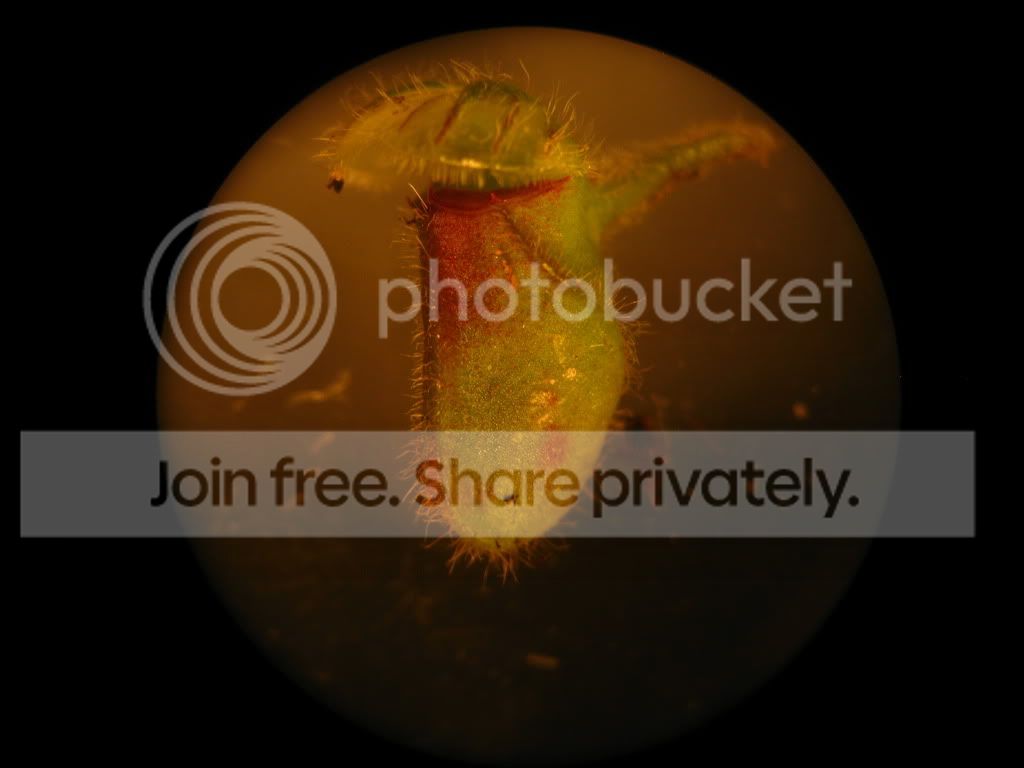
Ceph pubescens along the bottom and back of the trap. Inner surface glands can be seen in this picture also, note the small indentations above the hairs on the bottom of the trap.
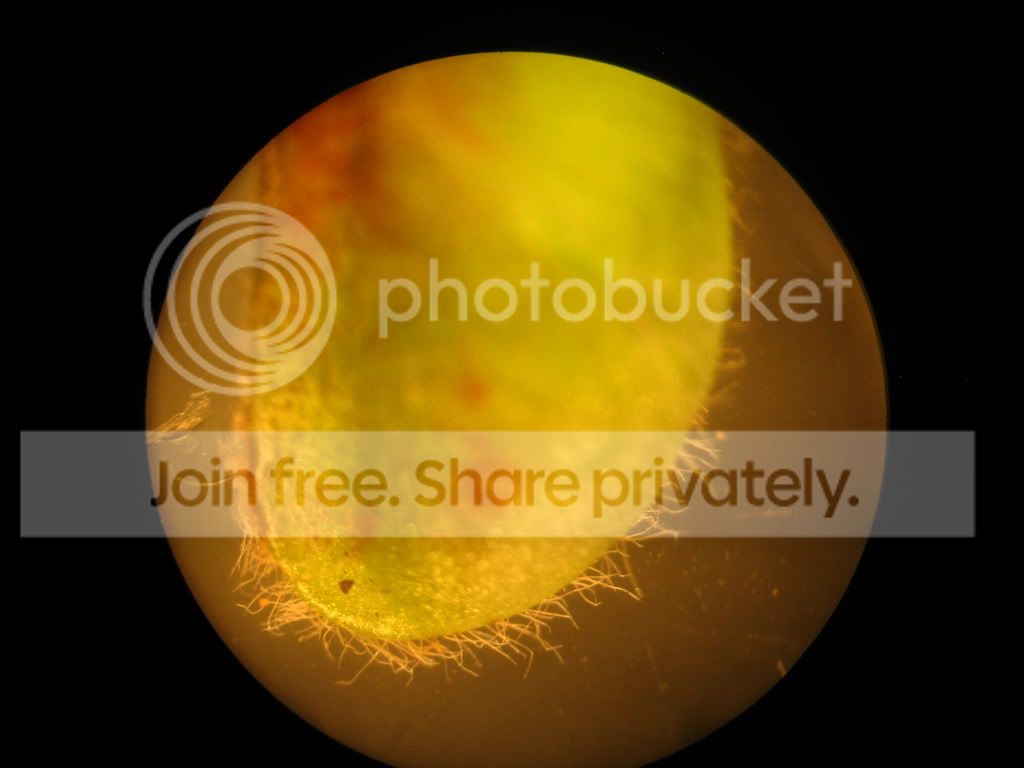
Young ceph lid

The menu of a young ceph.
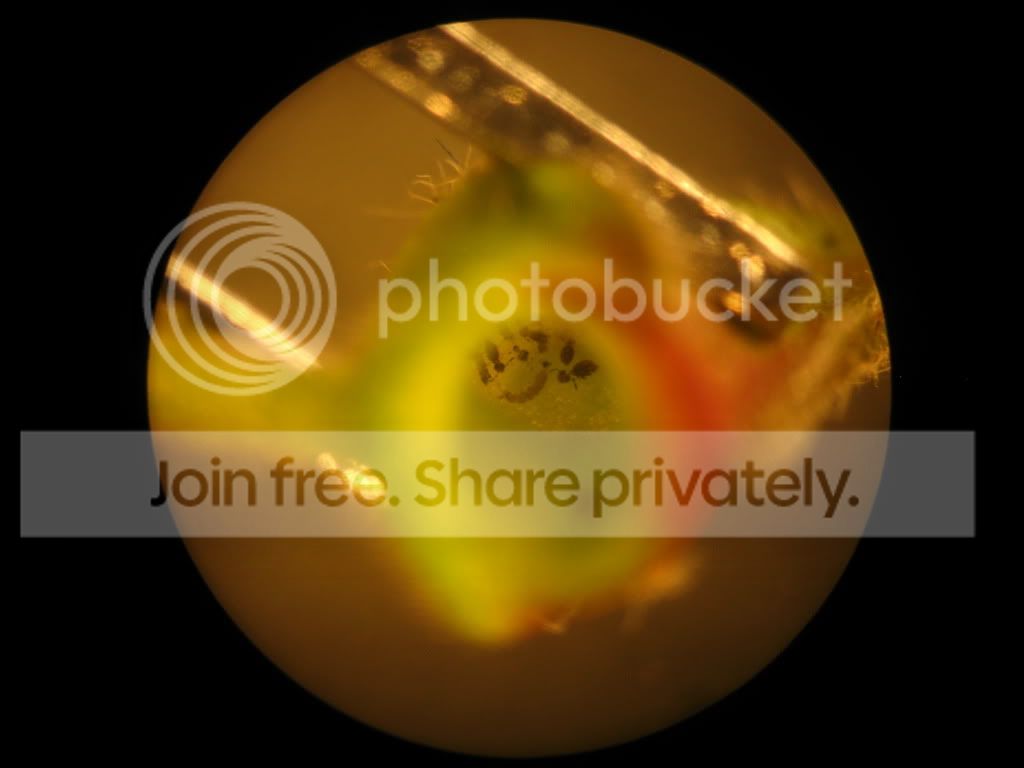
I hope you enjoyed the photos
***Note photobucket seems to be having a hard time with either my photos or the site itself. Be patient and try refreshing if photos do not show up.
Ceph typical Adult Trap
Notice how the translucent surfaces extend much farther down the lid in this younger trap.
Ceph lid showing the translucent surfaces from the backside.
Ceph has invited over guests over for dessert. The filamentous strands emerging from the mouth are hyphae of an unknown fungi likely breaking down the chitin of insect bodies into a usable carbohydrate.
Here is a silhouette of a juvenile Ceph trap
From the same angle with light. Here you can also see the beginnings of the ribs that form adult peristomes.
Ceph pubescens along the bottom and back of the trap. Inner surface glands can be seen in this picture also, note the small indentations above the hairs on the bottom of the trap.
Young ceph lid
The menu of a young ceph.
I hope you enjoyed the photos


