What's new
TerraForums - Carnivorous Plant Community

Welcome to TerraForums — a long-running carnivorous plant community established in 2001. Register for free to join the conversation, ask questions, and connect with growers from around the world.

NASC Auction will open in...

Read the rules first :)
NASC auction is OPEN!!

cuba or not cuba that is the question.

I found a speck of red on a purple pitcher. I put it under lighting and it grew into a drosera intermedia. last winter through summer I multiplied it until I had a small pot of them, but I still didn't know if they were cuba or temperate form. All descriptions that I could find were comparative. Without having both forms to look at, comparative descriptors don't work well.

I left them out in the fall and they formed hibernacula. So I assumed they were temperate.
Now I have been told that cuba could survive a mild winter and form a hibernacula as well.
Is there a specific way to tell which form I have?
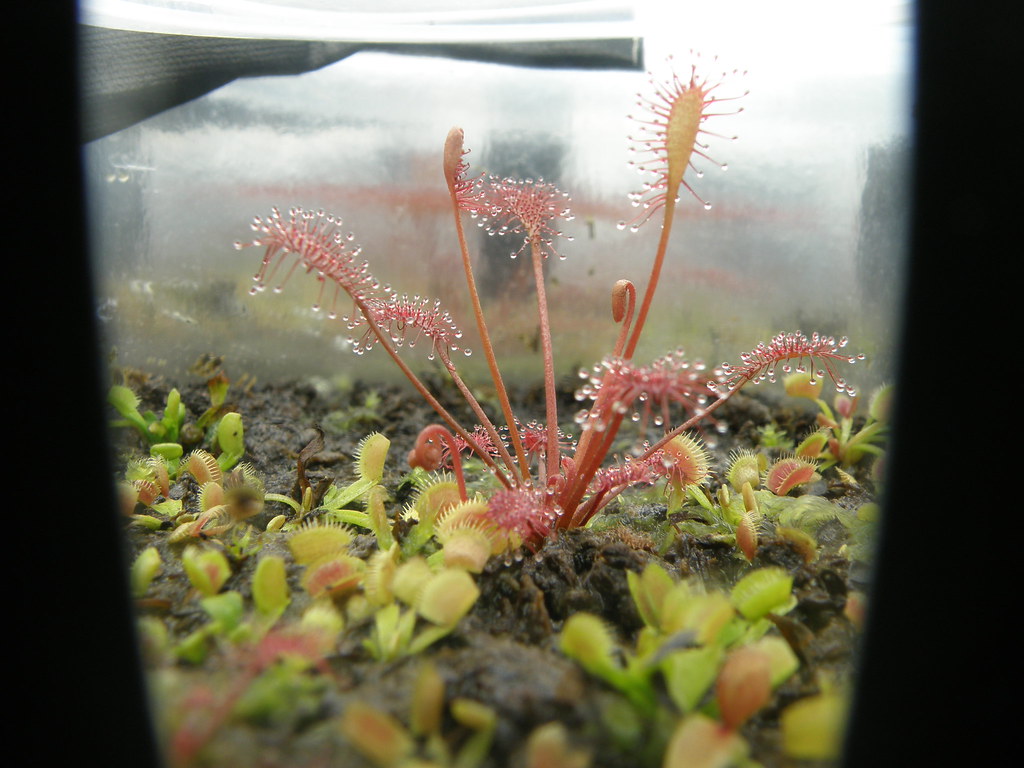
PC070610 by archimago, on Flickr
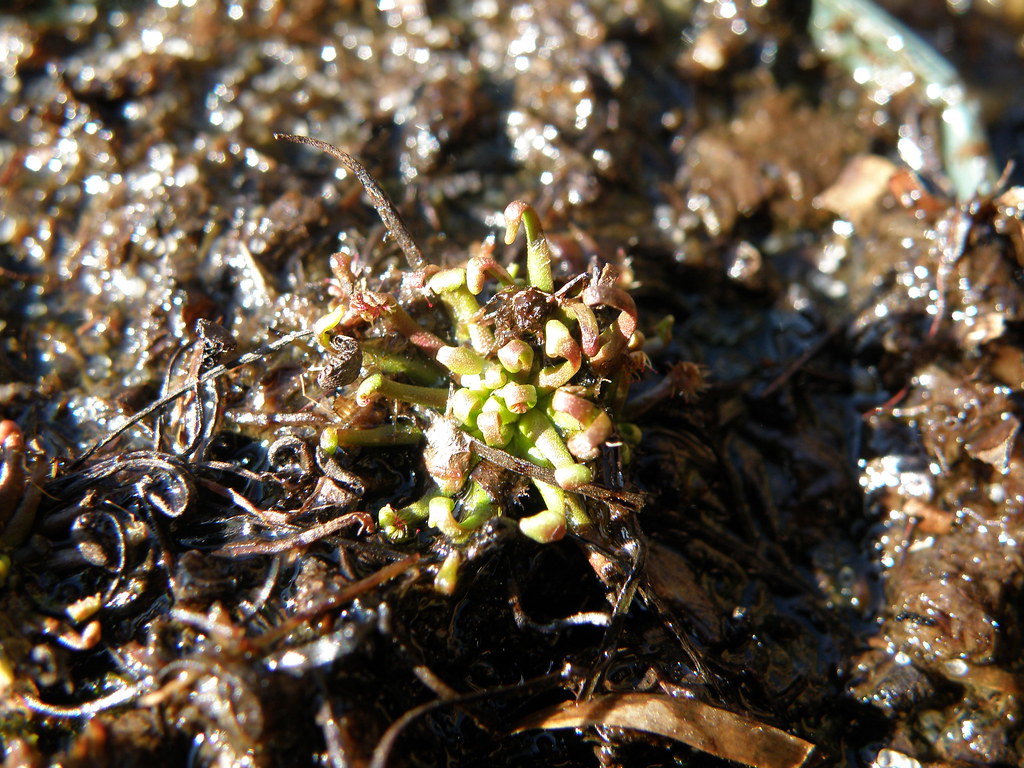
P3100751 by archimago, on Flickr
 
If you found it with a purp, I would bet temperate.. I dont believe cuba or roraima go dormant and form hibernicula.. but I could be wrong..
 
What would make you think it was the Cuban form ?

I don't know what form it is.
All descriptions that I could find were comparative. Without having both forms to look at, comparative descriptors don't work well. I was also told that cuba could survive a mild winter and form a hibernacula as well.
 
Not sure about the roraima form, but my cuba never went dormant in cold or (very) hot weather, but it stays very small, around 1 inch tall. Your plant looks like the temperate form of D. intermedia, especially if your plant gets above 1.5-2 inches tall and forms a hibernacula.
 
The term "form" in botanical context means a minor difference in appearance within a species, e.g. forma alba (White Flower form). There are rarely published diagnoses of forms because it is usually self-evident what form a plant is (Red flower vs White) or the different forms are in the description (flowers white, pink, or yellow).

A variety will have a distinct appearance from other plants in the species and are usually separated geographically. Examples: Sarracenia minor var. okefenokeensis or Drosera spatulata var. gympiensis

If your plant is from a tropical population and adapted for low dormancy requirements than it will consistently grow and flower with seed sets year after year without dormancy. If it declines and won't produce seed without dormancy than it is a temperate plant.
 
Back
Top